Climate and seasons
Kota vs Gwalior weather: a month-by-month comparison
Written by Kota Weather Editorial Team · Updated
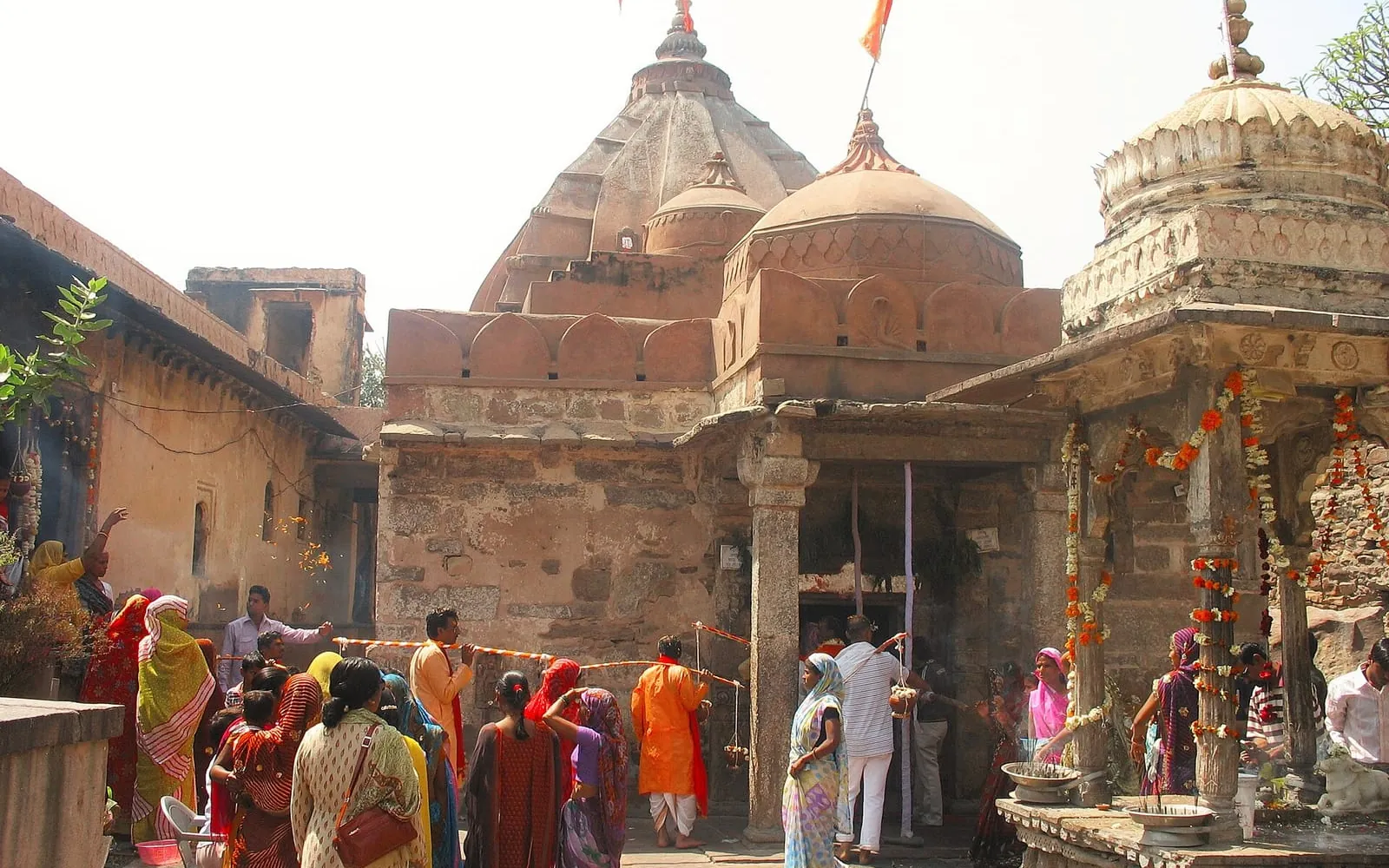
Kota vs Gwalior weather is a comparison between two cities of the Chambal basin. Kota sits on the Chambal itself in south-east Rajasthan; Gwalior lies to the north-east in Madhya Pradesh, in the region the river crosses before it joins the Yamuna. They share a lot: blistering pre-monsoon heat, a monsoon that does most of its work in July and August, and dry, sunny winters. The differences are in the nights, the fog and the wind, and they are big enough to plan around if you are moving between the two, visiting a student in Kota from Gwalior, or travelling through both.
This comparison uses the India Meteorological Department’s (IMD) Climatological Tables 1991-2020 for Kota (station 42452) and Gwalior (station 42361), from IMD’s Data Service Portal. They are long-term averages, not a forecast. For current conditions in Kota, see Kota weather today.
Month by month: Kota vs Gwalior
| Month | Kota max / min | Gwalior max / min | Kota rain | Gwalior rain |
|---|---|---|---|---|
| January | 23.2 / 11.2 C | 22.3 / 7.7 C | 5.7 mm | 12.9 mm |
| February | 27.1 / 14.3 C | 26.6 / 10.9 C | 8.2 mm | 14.4 mm |
| March | 33.3 / 19.8 C | 32.9 / 16.2 C | 2.7 mm | 6.4 mm |
| April | 39.3 / 25.7 C | 38.9 / 21.7 C | 8.4 mm | 7.5 mm |
| May | 42.6 / 30.0 C | 42.1 / 27.0 C | 9.7 mm | 16.6 mm |
| June | 40.3 / 29.5 C | 40.4 / 28.8 C | 80.3 mm | 85.1 mm |
| July | 34.3 / 27.0 C | 35.2 / 27.1 C | 296.7 mm | 224.0 mm |
| August | 32.2 / 25.8 C | 33.3 / 26.2 C | 269.6 mm | 241.8 mm |
| September | 33.9 / 25.5 C | 34.0 / 24.8 C | 108.7 mm | 141.4 mm |
| October | 34.6 / 22.3 C | 34.2 / 19.3 C | 18.9 mm | 27.1 mm |
| November | 30.1 / 16.9 C | 30.1 / 13.1 C | 3.8 mm | 6.8 mm |
| December | 25.7 / 12.6 C | 25.2 / 8.5 C | 3.6 mm | 6.3 mm |
| Year | 33.1 / 21.8 C | 32.8 / 19.2 C | 816.2 mm | 790.4 mm |
Max and min are IMD’s mean daily maximum and minimum temperatures; rain is the mean monthly total.
Daytime heat: almost identical
The maximum temperature columns are remarkably close. In every month the gap between Kota and Gwalior is about one degree or less, and over the year the mean maximum is 33.1 C at Kota and 32.8 C at Gwalior. The hottest day of an average year reaches about 45.8 C at Kota and 45.7 C at Gwalior. Kota is fractionally warmer by day from January to May; Gwalior is fractionally warmer in July and August, when Kota’s heavier rain and cloud keep afternoons a little cooler.
If you know how a Gwalior afternoon feels in a given month, a Kota afternoon in the same month will feel much the same. The real differences start after sunset.
Nights: Gwalior cools much more
From October to May, Gwalior’s nights are 3 to 4 C colder than Kota’s. In January the mean minimum is 7.7 C at Gwalior against 11.2 C at Kota; in December 8.5 C against 12.6 C. The coldest night of an average year is about 3.0 C at Gwalior and 8.1 C at Kota, so a Gwalior winter regularly brings the kind of near-freezing mornings that Kota rarely sees.
The same gap appears before the monsoon. In April Gwalior’s nights average 21.7 C against 25.7 C at Kota, and in May 27.0 C against 30.0 C. Kota’s warm nights are a large part of why its summer feels relentless. Only in the monsoon months do the two cities’ nights converge, within about one degree from June to September. For Kota, see Kota winter weather and Kota heatwave.
Rain: same total, different timing
Annual rain is close: 816.2 mm at Kota, 790.4 mm at Gwalior. The timing differs. Kota’s monsoon is more concentrated, with 296.7 mm in July and 269.6 mm in August against 224.0 mm and 241.8 mm at Gwalior. Gwalior gets more in September, 141.4 mm against 108.7 mm, so its monsoon tends to linger a little longer.
Winter is the other difference. From December to February Gwalior averages about 33.6 mm of rain against about 17.5 mm at Kota, from western disturbances that bring cloudy, showery spells to the north. Gwalior also has more rainy days over the year, about 41.7 against 38.6, and more days with any measurable rain, 62.3 against 55.6. For Kota’s rainy season, read Kota monsoon, Kota rainfall and Kota weather in September.
Fog, calm air and visibility
Gwalior’s colder nights and calmer air make it foggier. IMD’s tables count about 6.1 fog days a year at Gwalior, with 4.0 in January and 1.4 in December, against 2.9 a year at Kota. Mornings with visibility of 1 km or less occur on about 13.0 days a year at Gwalior and 8.3 at Kota, again mostly in December and January.
Calm air is the clearest contrast in the tables. Gwalior records calm (zero wind) at 08:30 IST on about 232 days a year, against 102 at Kota, and its annual mean wind speed is 3.2 km/h against Kota’s 6.3 km/h. Kota’s breezier air, especially in the pre-monsoon and monsoon months (11.1 km/h in June against 5.4 km/h at Gwalior), helps disperse winter haze and fog sooner. See Kota fog, Kota wind and Kota air quality.
Humidity, thunder and storms
Gwalior’s air is more humid than Kota’s in every month at both observation times, most of all in winter: January’s 08:30 IST relative humidity averages 84 percent at Gwalior against 67 percent at Kota. Annual means are 67 and 49 percent at Gwalior (08:30 and 17:30) against 55 and 36 percent at Kota.
Thunder is a little more frequent at Gwalior, about 27.1 days a year against 21.7, with 6.1 in August. Dust storm days are similar and rare, about 2.0 a year at Gwalior and 3.0 at Kota, mostly in May and June. Read Kota thunderstorms, Kota lightning safety and Kota dust storm for what to do when storms build.
Planning a trip between Kota and Gwalior
- October and November: warm days, comfortable nights; Gwalior cools faster, so pack a light layer.
- December and January: pleasant days, cold mornings, especially in Gwalior. Allow time for fog on early road and rail journeys.
- February and March: a good window for both, with occasional winter showers in Gwalior.
- April to June: very hot by day in both; Kota’s nights are warmer. Travel early and late, using Kota sunrise and sunset times.
- July to September: wet and green; Kota’s heaviest rain is in July and August, Gwalior’s rain continues into September.
For the Kota side of any trip, see best time to visit Kota and what to pack for Kota. Other comparisons with cities in the region are Kota vs Agra weather, Kota vs Bhopal weather and Kota vs Indore weather.
About the data
These figures are IMD normals for 1991-2020 at one observatory in each city. Any single year can differ a lot, especially for rain. An IMD “rainy day” is a day with 2.5 mm or more. For forecasts and warnings, use IMD’s district warnings and the Mausam app; our Kota weather forecast page explains where to look.
Frequently asked questions
Is Gwalior colder than Kota?
At night, yes, for most of the year. IMD's 1991-2020 normals give Gwalior a January mean minimum of 7.7 C against 11.2 C at Kota, and the coldest night of an average year is about 3.0 C at Gwalior against 8.1 C at Kota. Daytime highs are almost the same: 22.3 C at Gwalior and 23.2 C at Kota in January.
Which is hotter in summer, Kota or Gwalior?
Kota, slightly, and mainly at night. The May mean maximum is 42.6 C at Kota and 42.1 C at Gwalior, but the May mean minimum is 30.0 C at Kota against 27.0 C at Gwalior. In July and August Gwalior's afternoons are about one degree warmer.
Does Gwalior get more rain than Kota?
Slightly less over the year: 790.4 mm at Gwalior against 816.2 mm at Kota. Gwalior has more rainy days (about 41.7 against 38.6) and more rain in September and in the winter months, while Kota gets more in July and August.
Is fog worse in Gwalior or Kota?
Gwalior. IMD's tables count about 6.1 fog days a year at Gwalior, 4.0 of them in January, against 2.9 at Kota. Mornings with visibility of 1 km or less occur on about 13.0 days a year at Gwalior and 8.3 at Kota.
When is the best time to travel between Kota and Gwalior?
October, November, February and March are the most comfortable. December and January are fine by day, but expect colder mornings and possible fog delays around Gwalior. Avoid long daytime road journeys from April to June.
Sources
Editorial team, Kota
The Kota Weather team writes from Kota and builds every guide on official IMD climate data, with sources listed on each page.