Forecast and warnings
Kota lightning safety: thunderstorms, alerts and staying safe
Written by Kota Weather Editorial Team · Updated
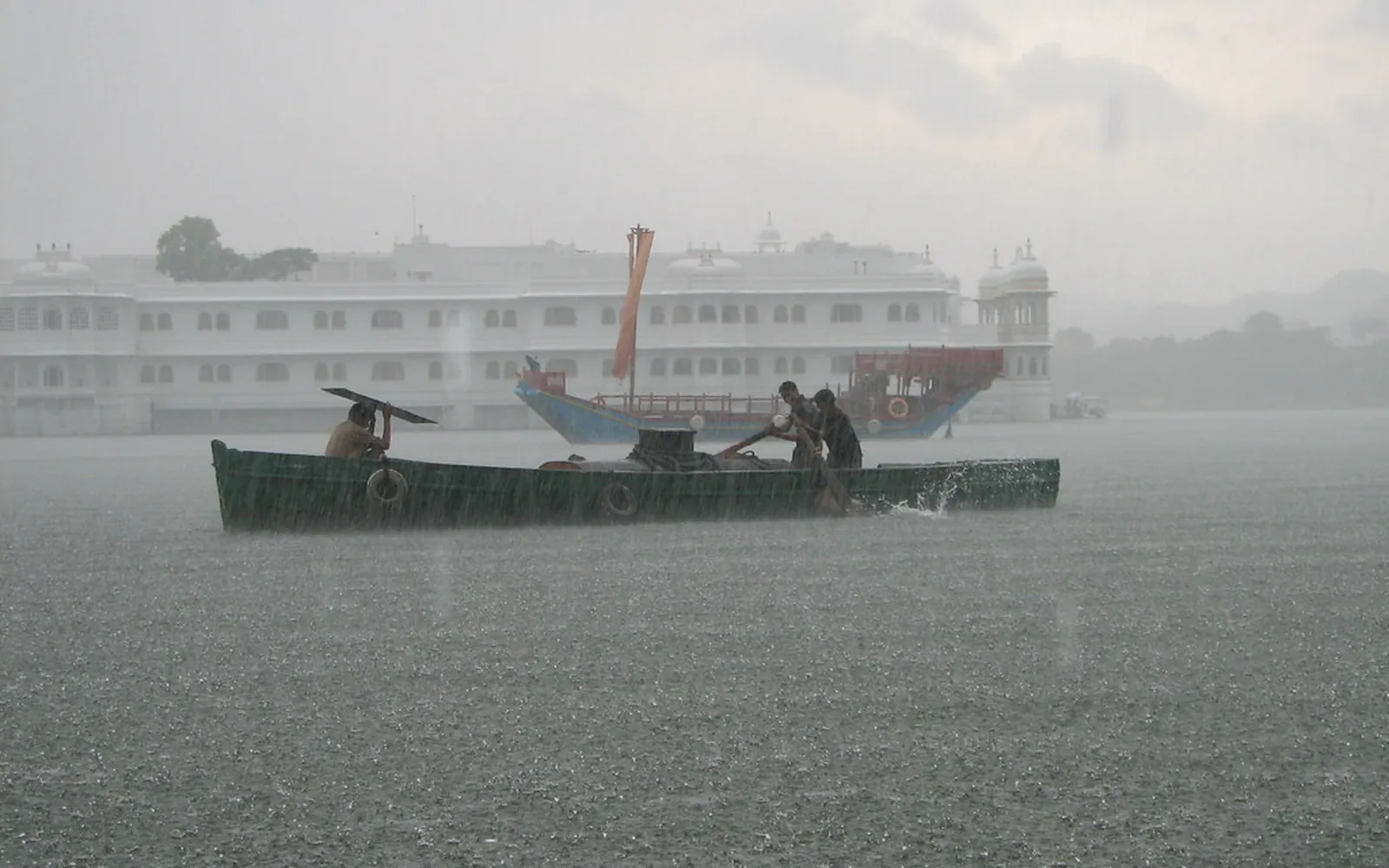
Kota lightning safety is a topic most people only think about when a storm is already overhead. Yet lightning is one of the deadliest weather hazards in India, and in Rajasthan the risk rises sharply from the first pre-monsoon storms in May until the monsoon withdraws in September. The good news is that almost every lightning death is preventable with a few simple habits and the free official tools now available. This guide explains when Kota’s thunderstorm season peaks, where to get official alerts, and exactly what to do in each situation.
We do not publish forecasts. For today’s warnings, use the IMD sources below or our Kota weather warnings guide.
When thunderstorms hit Kota
Pre-monsoon storms (May and June)
As the heat peaks, hot air rises fast in the afternoon and evening, and moist air starts to arrive from the south and east. The result is violent but often short storms: sudden squalls, dust, a burst of rain and plenty of lightning. Some arrive as a dust storm first, with the rain behind. These storms can bring down trees, hoardings and power lines as well as lightning. See our Kota dust storm guide.
Monsoon thunderstorms (late June to September)
Once the monsoon sets in, rain arrives in spells, and many of the heavier ones come with thunder and lightning, especially at the start of the season and during breaks when the sun heats the ground again. Kota’s wettest months, July and August, average about 297 mm and 270 mm of rain. See Kota monsoon for how the season unfolds.
The rest of the year
Thunderstorms are uncommon from October to April, but a strong western disturbance in winter or early spring can bring an isolated storm with hail or lightning.
Thunder days in numbers
IMD’s Climatological Tables 1991-2020 for Kota Airport count an average of 21.7 days a year with thunder. June (4.1), July (4.9), August (5.3) and September (2.5) account for most of them, and April and May add 1.0 and 1.6. From November to January thunder is rare. Our Kota thunderstorms guide has the full monthly table, and farmers can find weather-based field advice through the services in our Kota agromet advisory guide.
Official alerts: where to look
- IMD district warnings. IMD’s district-wise warnings map shows thunderstorm and lightning warnings for Kota district for the coming days, with yellow, orange and red colour codes.
- IMD nowcasts. IMD issues short-range nowcasts, valid for the next few hours, for thunderstorms, lightning and gusty winds. They are shown in the Mausam app and on the IMD website.
- Damini app. Developed by the Indian Institute of Tropical Meteorology (IITM) Pune, Damini uses India’s lightning location network to map recent strikes and alert you when lightning is detected within about 20 to 40 km of your phone’s location. It also includes safety guidance. It is free on the Google Play store.
- NDMA Sachet. The National Disaster Management Authority’s Sachet portal carries official public alerts for your area, including thunderstorm warnings.
Make checking these part of your daily routine from May to September, especially if you work outdoors, farm or travel by road. The three-point morning check on our Kota weather today page fits well here.
The 30/30 habit
A simple habit keeps most people safe:
- When thunder roars, go indoors. If you can hear thunder, lightning is close enough to reach you, even if the rain has not started or the sky above looks clear.
- Wait about 30 minutes after the last thunder before going back outside. Many strikes happen at the start and the tail end of a storm.
If you are indoors
- Stay inside until the storm has passed.
- Keep away from windows and doors, and off balconies and open rooftops.
- Avoid corded landline phones and wired appliances; a mobile phone is fine.
- Avoid bathing, showering or washing dishes during the storm, as metal plumbing can carry current.
- Unplug televisions, computers and other sensitive electronics before the storm arrives if you can.
If you are outdoors
- Get into a proper building or a closed car, bus or auto with a metal roof. Open shelters, sheds, tents and bus stops do not protect you.
- Leave open fields, rooftops, hilltops and riverbanks. Get off and away from water, including the Chambal, lakes and ponds.
- Do not shelter under an isolated tree, a tower or a pole.
- Stay away from metal fences, wires, railings and two-wheelers.
- If you are in a group, spread out so that one strike cannot hit everyone.
- If you are caught in the open with no shelter and feel your hair stand on end, crouch low on the balls of your feet with your head tucked and ears covered, keeping as little contact with the ground as possible. Do not lie flat.
Farmers and outdoor workers
Farm workers in fields are among the people most exposed to lightning in India. In thunderstorm season:
- Watch the sky and the alerts in the afternoon, when storms most often build.
- Stop work and leave the field at the first thunder; do not wait for rain.
- Keep livestock away from isolated trees and water where possible.
On the road
- If you are driving, stay in the car with the windows closed. Pull over safely away from trees and power lines if visibility drops.
- Two-wheeler riders are exposed: get off the road and into a building.
- Watch for fallen trees, wires and waterlogged underpasses after the storm.
If someone is struck
- Call for emergency help immediately.
- It is safe to touch the person; they do not carry a charge.
- Check breathing and pulse, and start CPR if you are trained and they are not breathing.
- Treat burns and keep the person warm until help arrives.
Kota’s lightning season compared with other cities
Kota’s thunder is concentrated in a short window. IMD’s 1991-2020 tables give Kota about 21.7 thunder days a year, of which about 14.3 fall in June, July and August. Cities many students come from have longer and busier storm seasons: about 83.0 thunder days a year at Kolkata (Alipore), 50.5 at Ranchi and 50.1 at Chandigarh, with storms from March onwards. Gwalior (27.1) and Ajmer (21.2) are closer to Kota.
Fewer storms do not mean less risk on the days they happen. Kota’s open ground, rooftops, riverbanks and farm fields are exposed, and many newcomers walk between hostels and coaching centres in the afternoon and evening, when a storm can catch them in the open. Keep the 30/30 habit, check the Damini app when clouds darken, and wait indoors until 30 minutes after the last thunder. Comparisons: Kota vs Kolkata weather, Kota vs Ranchi weather and Kota vs Chandigarh weather.
Related guides
Lightning often arrives alongside heavy rain, so it helps to know what IMD means by “heavy” and “very heavy” rainfall: see IMD rainfall categories. Students living in hostels can find season-by-season advice in Kota weather for students.
Frequently asked questions
When is the thunderstorm season in Kota?
Thunderstorms are most frequent from May to September. Pre-monsoon storms in May and June often come with squalls and dust; monsoon thunderstorms from late June to September bring heavy rain and lightning.
Which app gives lightning alerts in India?
Damini, developed by the Indian Institute of Tropical Meteorology (IITM) Pune, uses India's lightning location network to show recent strikes on a map and alert you to lightning within about 20 to 40 km of your location. IMD's Mausam app shows district warnings and nowcasts.
Is it safe to stay under a tree during lightning?
No. Isolated trees attract strikes, and people sheltering under them are among the most common victims. A solid building or a closed metal-roofed car is far safer.
Can I use my phone during a thunderstorm?
A mobile phone used indoors is fine. Avoid corded landline phones and wired electrical appliances during the storm, and unplug sensitive electronics if you can do so before it arrives.
What should I do if someone is struck by lightning?
Call for emergency help immediately. A person struck by lightning does not carry an electrical charge and can be touched safely. If they are not breathing, start CPR if you are trained.
Sources
Editorial team, Kota
The Kota Weather team writes from Kota and builds every guide on official IMD climate data, with sources listed on each page.