Climate and seasons
Kota heatwave: how hot it gets and how to stay safe
Written by Kota Weather Editorial Team · Updated
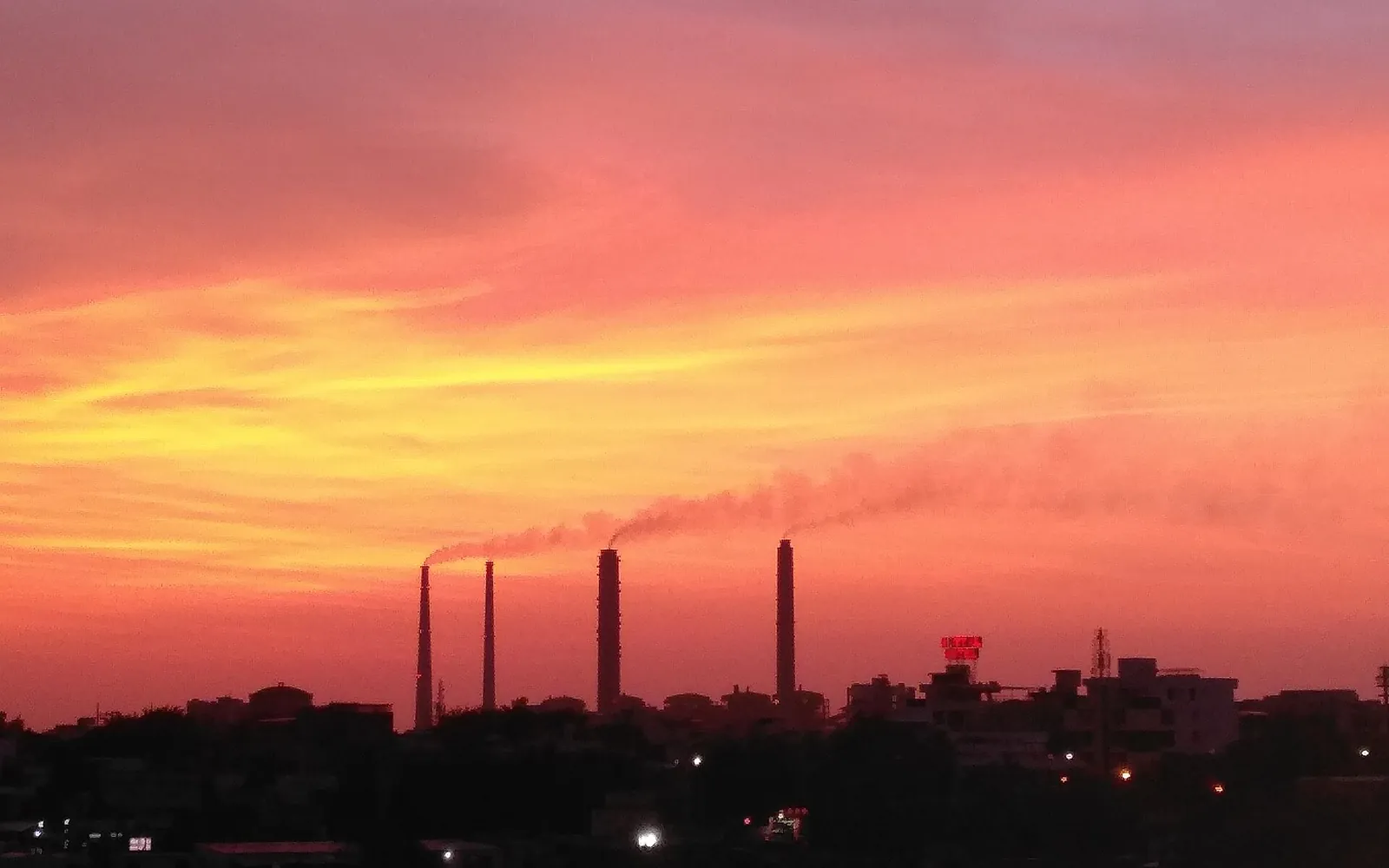
A Kota heatwave is not a rare event; it is part of almost every summer. Kota lies in the plains of south-east Rajasthan, and from April to June it is one of the hottest cities in India. The long-term normal maximum for May is 42.6 C, and the highest temperature on record at Kota Airport is 48.5 C. This guide explains when the heat peaks, how the India Meteorological Department (IMD) defines a heatwave, and the practical steps that keep residents, students and visitors safe.
How hot does Kota get?
IMD’s 1991-2020 normals and records for Kota Airport:
| Month | Mean max | Mean min | Record high |
|---|---|---|---|
| March | 33.3 C | 19.8 C | 42.8 C |
| April | 39.3 C | 25.7 C | 47.5 C |
| May | 42.6 C | 30.0 C | 48.5 C |
| June | 40.3 C | 29.5 C | 47.8 C |
The averages hide how hot individual days get. If the mean May maximum is 42.6 C, many May afternoons reach 44 or 45 C, and heatwave spells push beyond that. The other number to notice is the minimum: an average May night of 30 C means rooms that have heated up all day do not cool down. That is what makes a long heat spell exhausting.
How IMD defines a heatwave
IMD uses two tests for stations in the plains, such as Kota:
- By departure from normal: a heatwave when the maximum is at least 40 C and 4.5 to 6.4 C above the normal for the date; a severe heatwave when it is more than 6.4 C above normal.
- By actual temperature: a heatwave when the maximum reaches 45 C or more; a severe heatwave at 47 C or more.
IMD also flags “warm nights” when minimum temperatures stay well above normal, which adds to health risks. District heatwave warnings use the green, yellow, orange and red colour codes explained in our Kota weather warnings guide.
The shape of a Kota summer
- Late March: the first days near 40 C. Mornings and evenings are still pleasant.
- April: consistently hot, very dry air, strong sunshine. Dehydration is the main risk because sweat evaporates before you notice it.
- May: the peak. Hot westerly winds (often called loo) blow through the day, dust storms are possible in the late afternoon, and nights stay hot.
- June: hot until the monsoon arrives, usually in the last part of the month, with rising humidity that makes the heat feel heavier. Thunderstorms can briefly cool things down.
For the full year, see Kota weather by month and Kota temperature.
Staying safe in the heat
Plan your day around the sun
- Do outdoor work, errands and sightseeing before about 10 am or after 5 pm.
- Treat 11 am to 4 pm as indoor time on heatwave days.
- If you must be out at midday, cover your head, wear loose light-coloured cotton and take shade breaks.
Drink steadily, eat lightly
- Drink water regularly through the day, before you feel thirsty.
- Oral rehydration solution, buttermilk, lemon water with salt and sugar, and other traditional summer drinks help replace salts lost in sweat.
- Heavy meals and alcohol make heat harder to cope with.
Keep rooms cooler
- Close curtains or shutters on sun-facing windows during the day; open windows at night if it is cooler outside.
- Wet curtains or a cooler (evaporative air cooler) work well in Kota’s dry pre-monsoon air, less so once humidity rises in June.
- Top-floor rooms under a concrete roof get the hottest; light-coloured roof coatings or shade help.
Know the warning signs
Heat exhaustion: heavy sweating, weakness, dizziness, headache, nausea, cramps. Move to a cool place, loosen clothing, sip water or rehydration solution and rest.
Heat stroke: very high body temperature, hot dry or flushed skin, confusion, slurred speech, collapse or fits. This is an emergency. Call for medical help, move the person into shade, cool them with water and fanning, and get them to hospital.
Dry heat and humid heat
Not all of Kota’s hot season feels the same. In April and May the air is extremely dry, with evening relative humidity of only 13 to 15 percent in IMD normals. Sweat evaporates instantly, which cools the body but hides how much water you are losing, so dehydration builds quietly. In June, humidity more than doubles to about 33 percent, and in the days before the monsoon arrives it climbs higher still. Afternoons are only slightly cooler than in May, but sweat stops cooling you efficiently, which is why late June can feel like the worst part of the year. Desert coolers work well in the dry months and much less once the air turns humid. See Kota humidity for the full picture.
Dust storms and evening storms
The hot season also brings sudden afternoon and evening storms, especially in May and June. A dust storm can arrive as a brown wall on the horizon, with strong gusts, falling branches and near-zero visibility for a short time, often followed by thunder and rain. They bring welcome relief from the heat, but also real danger from debris and lightning. Read Kota dust storm and Kota lightning safety.
Students in Kota
Our dedicated Kota weather for students guide covers the whole coaching year; the heat-season essentials are below.
Thousands of students move to Kota for coaching and stay through the summer. The heat catches many of them out: long walks between hostel and institute at midday, skipped meals, and not enough water. A few habits help:
- Carry a full water bottle every day and refill it.
- Eat a proper breakfast before morning classes.
- Choose routes with shade and avoid the hottest hours for errands.
- Tell a friend or warden if you feel dizzy or unwell; do not sleep it off alone.
Visiting in the hot season
April to June is Kota’s low season for tourism. It can be done: palaces and museums offer shade, early mornings are beautiful, and the riverfront is lively after dark. But it is not ideal for families with small children or elderly travellers. Our best time to visit Kota guide compares all twelve months, and what to pack for Kota has a summer list. For the day itself, check the Kota weather forecast every morning.
Heat plus humidity: the second danger
Heatwave warnings are based on temperature, but humidity changes how dangerous heat is. In May, Kota’s afternoon air is very dry (15 percent relative humidity at 17:30 IST), so sweat cools the body well even at 41 C. From late June to September, the wet bulb temperature rises to about 25 to 26 C and sweat stops working as well, so heat illness can strike on days that look cooler on the thermometer. Our Kota wet bulb temperature guide explains this in detail.
How Kota’s summer compares
In IMD’s 1991-2020 tables, Kota’s May mean maximum of 42.6 C is higher than at Bhopal (41.1 C), Indore (40.4 C), Lucknow (39.9 C), New Delhi (Safdarjung) (39.9 C) and Patna (37.5 C), and its May mean minimum of 30.0 C is the highest of the group. Students arriving from those cities should prepare for hotter nights than at home. See Kota vs Patna weather, Kota vs Lucknow weather and Kota weather by time of day.
Frequently asked questions
What is the hottest temperature ever recorded in Kota?
48.5 C, in May, according to the IMD extremes for Kota Airport (1961-2020). April's record is 47.5 C and June's is 47.8 C.
When is a heatwave declared for Kota?
IMD declares a heatwave in the plains when the maximum is at least 40 C and 4.5 to 6.4 C above normal, or when it reaches 45 C. A severe heatwave is more than 6.4 C above normal, or 47 C and above.
Which months are hottest in Kota?
May is the hottest, followed by June before the monsoon arrives, then April. Mean daily maximums are 42.6 C in May, 40.3 C in June and 39.3 C in April.
What are the signs of heat stroke?
A very high body temperature, hot dry or flushed skin, confusion, slurred speech, fainting or seizures. It is a medical emergency: call for help, move the person to shade, cool them with water and fanning, and get them to hospital.
Is it safe to visit Kota in May?
Yes, with care. Plan sightseeing for sunrise and after 5 pm, rest indoors at midday, drink water steadily, and check IMD warnings each day. Families with small children or elderly travellers usually find it too hot.
Sources
Editorial team, Kota
The Kota Weather team writes from Kota and builds every guide on official IMD climate data, with sources listed on each page.