Travel by weather
What to pack for Kota, season by season
Written by Kota Weather Editorial Team · Updated
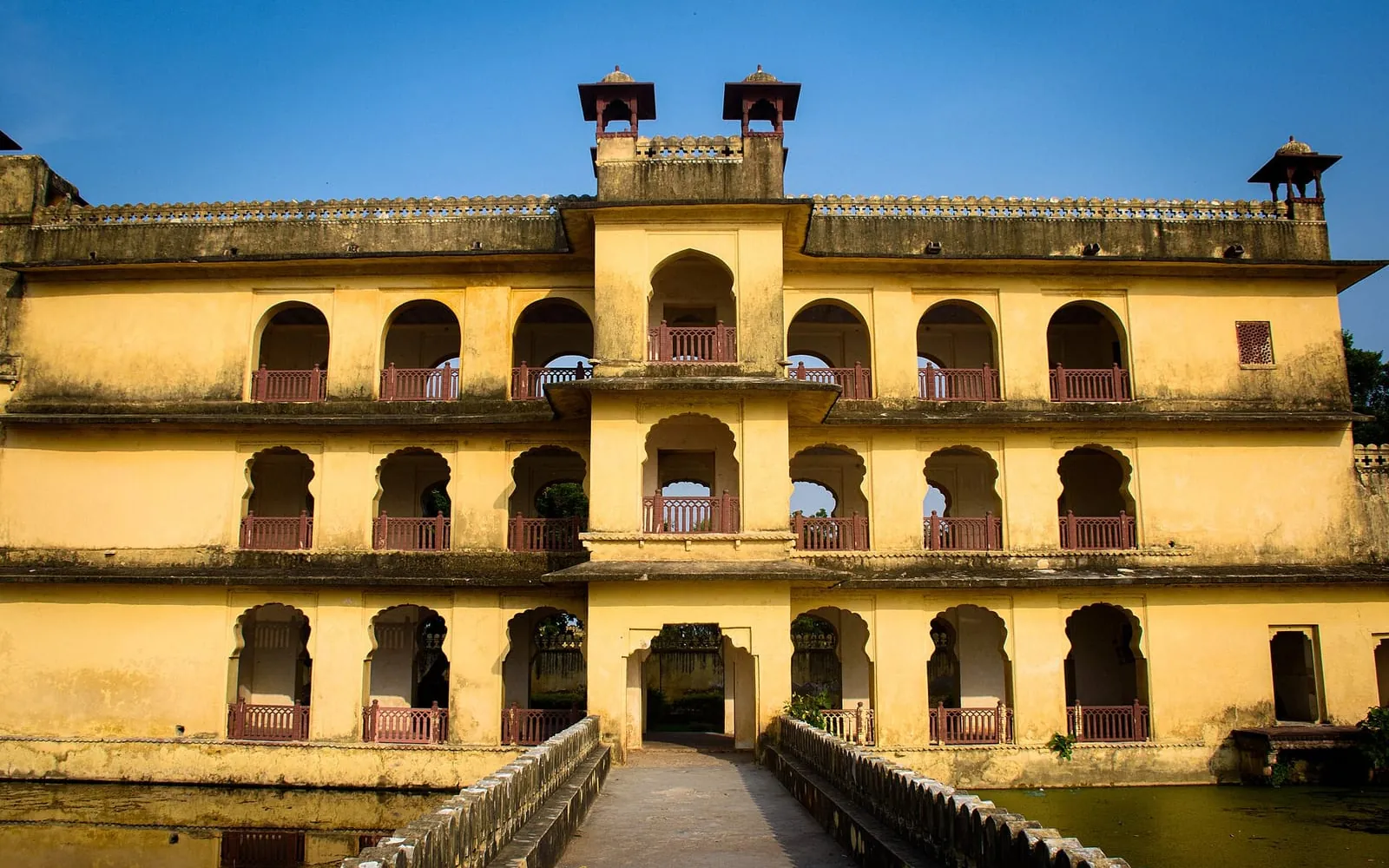
Knowing what to pack for Kota starts with one fact: the city’s climate swings from cool winter mornings around 11 C to summer afternoons above 42 C, with a humid monsoon in between. A bag that is right for January is wrong for May. This guide gives a practical packing list for each season, based on the India Meteorological Department’s (IMD) normals for Kota, plus the items that are useful all year round.
Kota’s seasons at a glance
| Season | Months | Typical day | Typical night | Rain |
|---|---|---|---|---|
| Winter | Nov to Feb | 23 to 30 C | 11 to 17 C | Almost none |
| Hot season | Mar to Jun | 33 to 43 C | 20 to 30 C | Rare until June |
| Monsoon | Jul to Sep | 32 to 34 C | 25 to 27 C | Heavy spells |
| Post-monsoon | Oct | about 35 C | about 22 C | Rare |
Source: IMD 1991-2020 normals for Kota Airport. Full details in Kota weather by month.
Winter packing list (November to February)
Winter in Kota is dry and sunny with a big gap between morning and afternoon. Dress in layers.
- A warm jacket, fleece or shawl for early mornings and late evenings, especially in December and January.
- Two or three light long-sleeved tops or kurtas for the day.
- Comfortable trousers or jeans.
- Closed shoes and warm socks for morning outings.
- A cap or scarf for early drives and boat trips.
- Moisturiser and lip balm: the air is very dry.
- Sunscreen and sunglasses: winter sun is still strong at midday.
If you are travelling by train from the north in December or January, pack snacks and water in case fog delays your train. See Kota winter weather.
Summer packing list (April to June)
This is about protection from sun and heat, and staying hydrated. Afternoons in May average 42.6 C.
- Loose, light-coloured cotton or linen clothes that cover arms and legs.
- A wide-brimmed hat or cap, and a cotton scarf or dupatta to cover the head and neck.
- Good sunglasses and a high-SPF sunscreen.
- A large refillable water bottle; an insulated one keeps water drinkable.
- Oral rehydration sachets.
- Breathable sandals or shoes and a spare pair of socks.
- A small towel or handkerchief, and a compact umbrella for shade.
In June, add a light rain layer: pre-monsoon storms and the first monsoon showers can arrive late in the month. Read our Kota heatwave guide for what to do on the hottest days.
Monsoon packing list (July to September)
Expect heavy bursts of rain, high humidity and warm temperatures in the low to mid 30s.
- A compact umbrella and a light rain jacket or poncho.
- Quick-dry clothes; cotton takes a long time to dry in humid air.
- Sandals or shoes with good grip for wet ghats, temple steps and gorge paths.
- A waterproof bag or pouch for phone, documents and cash.
- Mosquito repellent.
- A spare set of clothes in your day bag.
For more on the season, see Kota monsoon.
October packing list
October is dry and warm by day, with comfortable nights. Pack summer-weight clothes for the day and one light layer for late evenings toward the end of the month. If you are coming for the Dussehra Mela, add closed shoes for the dusty fairground and a mask or scarf for dahan night; see our Dussehra Mela 2026 weather guide.
Year-round essentials
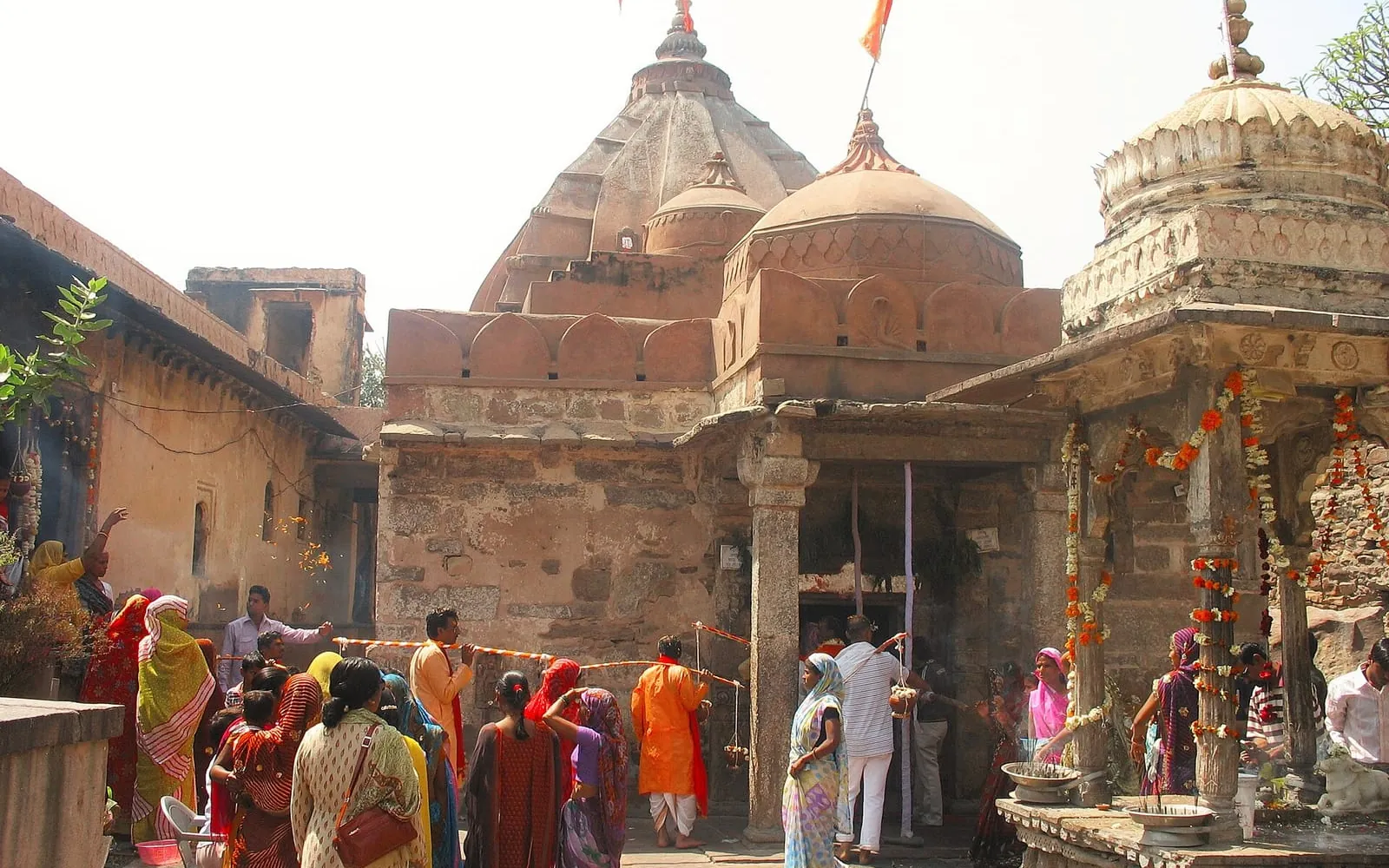
- Modest clothing for temples: cover shoulders and knees. Shoes come off at most shrines, so slip-on footwear helps.
- Closed shoes for dusty grounds, fairgrounds and old-city lanes.
- A basic medicine kit: any regular medicines, rehydration salts, antiseptic, plasters and something for an upset stomach.
- A power bank: storms can cause short power cuts in summer and the monsoon.
- A copy of your ID for hotel check-in.
Students moving to Kota
If you are moving to Kota for coaching, you will live through every season, so pack for both extremes:
- Light cotton clothes for the long hot season.
- Warm layers, a blanket and warm socks for winter nights in a hostel room.
- A rain jacket and umbrella for the monsoon walk to classes.
- A large water bottle you will actually carry every day.
- A small medicine kit and the contact details of a local doctor once you arrive.
Ask your hostel or PG whether rooms have coolers, fans or heaters before you decide what to bring.
Packing for dry air and damp air
Kota’s humidity swings as much as its temperature. Evening relative humidity averages only 13 to 19 percent from March to May, then rises to 62 percent in July and 69 percent in August (IMD normals). That changes what is worth packing:
- Dry months (October to May): lip balm, moisturiser, eye drops if you wear contact lenses, and a refillable bottle. Dry heat hides how much water you lose.
- Humid months (late June to September): quick-dry clothes, spare socks, a small drying line, anti-fungal powder, and zip bags to keep documents and electronics dry.
See Kota humidity for the month-by-month figures. If you will be in Kota for a full coaching year, our Kota weather for students guide has a season-by-season list.
Packing for a specific month or event
The seasonal lists above cover most trips. For more detail, each month guide has its own notes: for example, June needs both heat protection and a light raincoat for the first storms, while September calls for mosquito repellent and quick-dry clothes. If you are travelling for a wedding between November and February, pack a warm layer for evening functions; our Kota wedding season weather guide explains how cold winter nights get. Early travellers in December and January should also allow for fog delays.
Packing by where you are coming from
What feels normal depends on home. IMD’s 1991-2020 normals suggest a few adjustments:
- From Chandigarh, Agra or Gwalior: Kota’s winter is milder (January nights average 11.2 C against 7.2 to 7.7 C in those cities), so lighter winter wear works. Pack more for heat: Kota’s April and May are hotter and much drier.
- From Kolkata or Ranchi: bring far more summer protection. Kota’s May afternoons average 42.6 C against 35.5 C at Kolkata and 36.9 C at Ranchi, and the air is dry. Lip balm, moisturiser and a large water bottle help. You will need less rain gear outside July and August.
- From Ajmer or elsewhere in Rajasthan: the seasons are familiar, but Kota’s monsoon is wetter; pack a sturdier umbrella and quick-dry clothes for July and August.
See Kota vs Chandigarh weather, Kota vs Kolkata weather, Kota vs Ranchi weather and Kota vs Ajmer weather.
Before you zip the bag
Check the Kota weather forecast a few days before you leave, and any weather warnings for Kota district. If a heatwave, heavy rain or cold wave is expected, adjust your packing accordingly. For timing your trip, see best time to visit Kota.
Frequently asked questions
What should I wear in Kota in December?
Layers. December mornings average 12.6 C and afternoons 25.7 C, so a jacket or sweater for early and late hours and a light shirt or kurta for the day.
What clothes are best for Kota in summer?
Loose, light-coloured cotton or linen that covers the arms and legs, a wide-brimmed hat or cap, and sunglasses. Covering up protects against the sun better than shorts and vests.
Do I need an umbrella in Kota?
From late June to September, yes. Outside the monsoon, rain is rare: October to May together average under 70 mm. An umbrella also doubles as sun shade in summer.
What should students moving to Kota pack?
Clothes for both extremes: light cotton for the long summer and warm layers and a blanket for winter nights, plus a water bottle, a rain jacket and a small medicine kit. Hostels vary in heating and cooling, so ask.
Do I need a heavy winter jacket in Kota?
Usually not. IMD's 1991-2020 normals give Kota a January mean minimum of 11.2 C and afternoons around 23 C, and the coldest night of an average year is about 8.1 C. A sweater, a light jacket and a warm blanket cover most winters; people coming from Chandigarh or Agra will find Kota milder.
Sources
Editorial team, Kota
The Kota Weather team writes from Kota and builds every guide on official IMD climate data, with sources listed on each page.