Travel by weather
Kota travel weather guide: getting there in every season
Written by Kota Weather Editorial Team · Updated
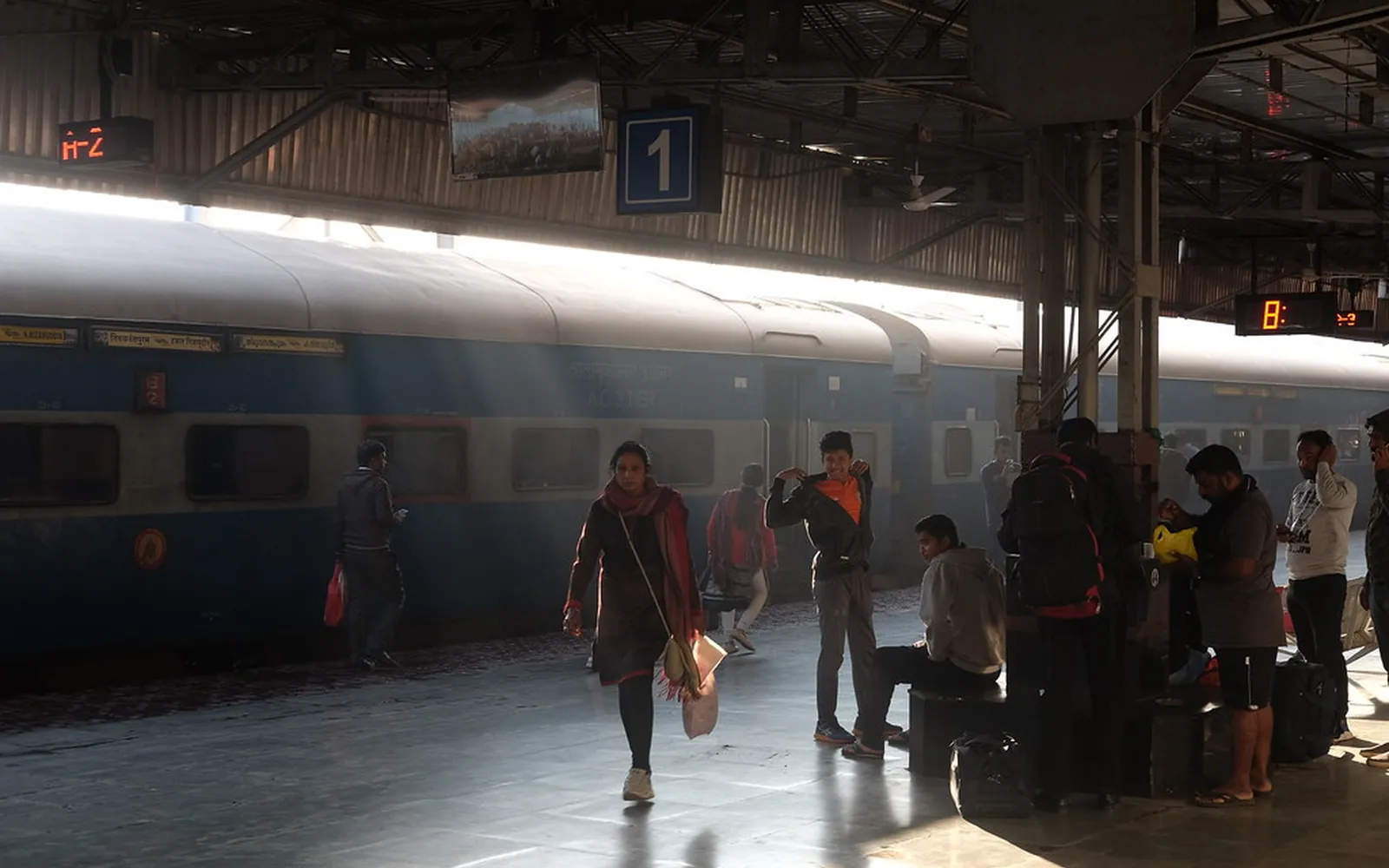
This Kota travel weather guide is about one practical question: how does the season change the journey? Kota sits in south-east Rajasthan on the Chambal River, in the region known as Hadoti. It is one of the state’s largest cities and a major railway junction, so it is easy to reach. But fog, heat and monsoon rain each affect trains, roads and flights in different ways. Here is what to expect, and how to plan around it.
Where Kota is
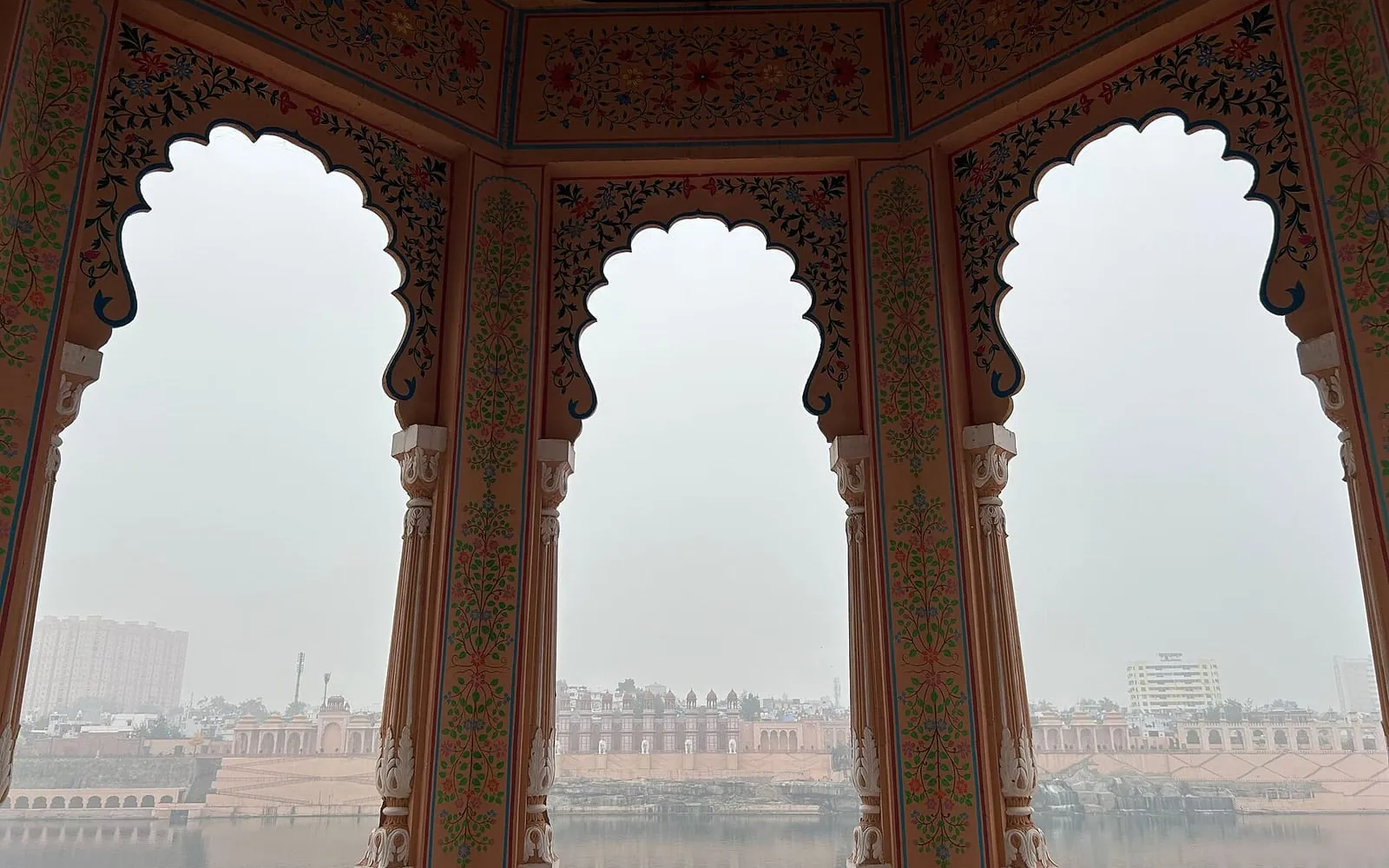
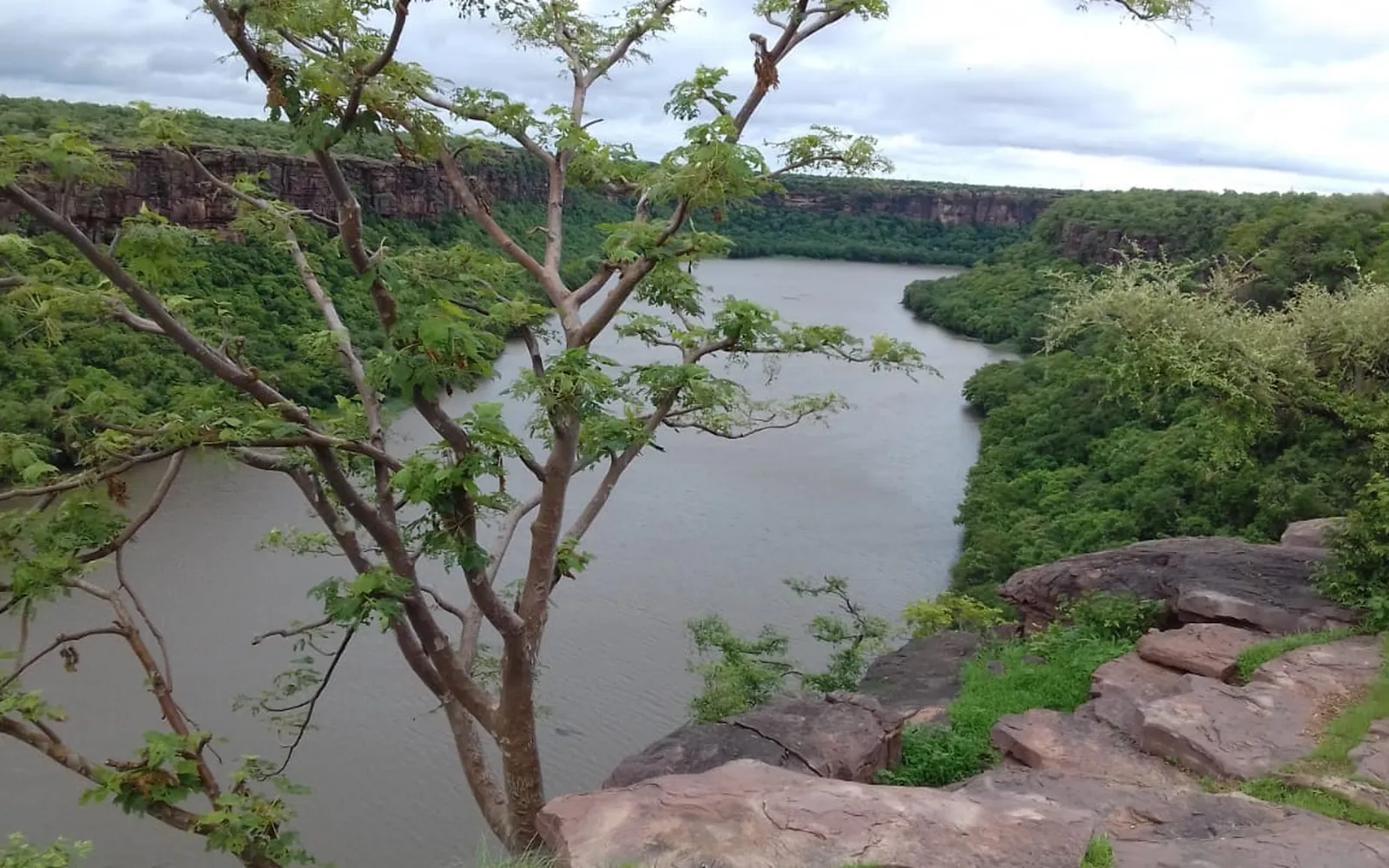
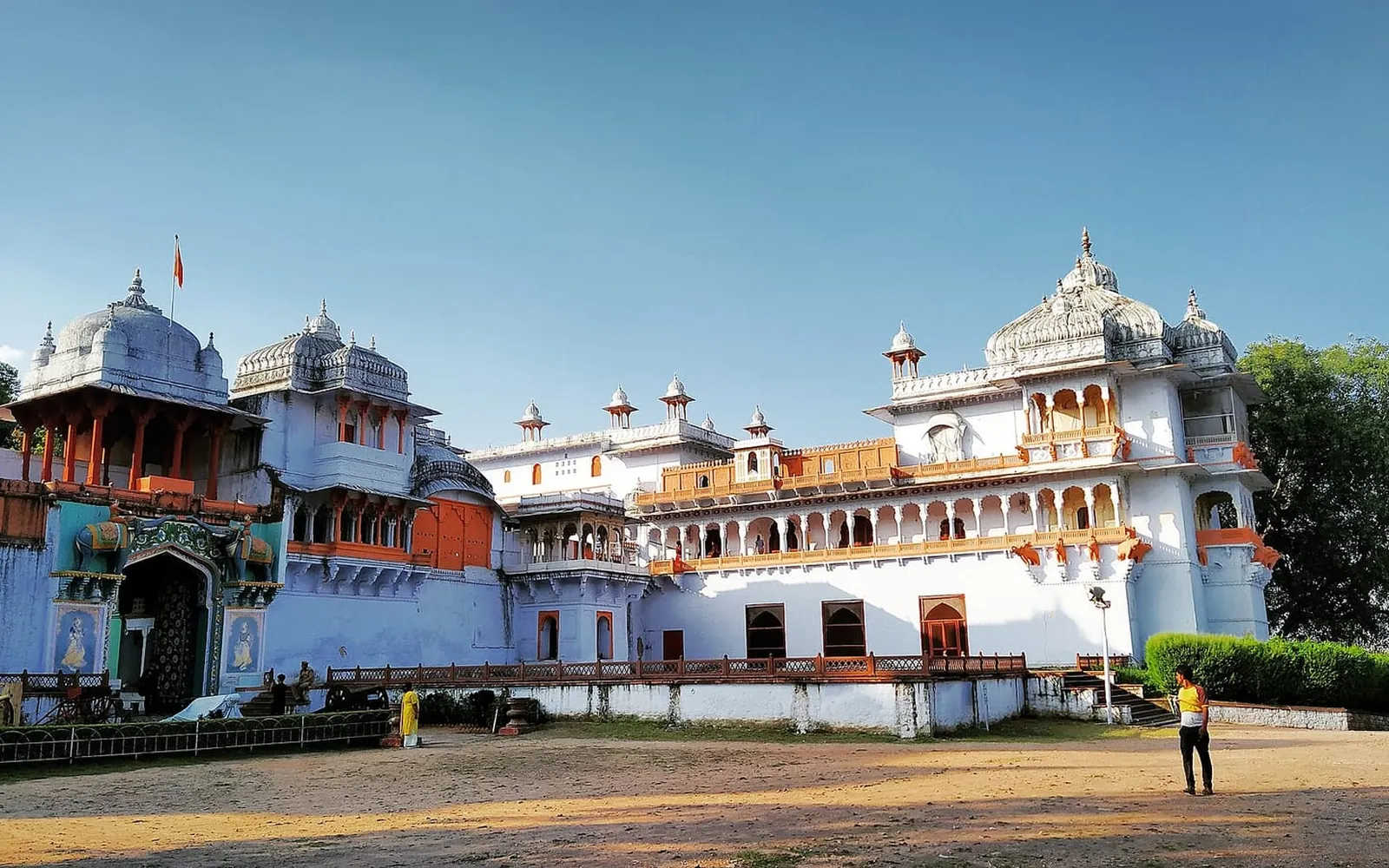
Kota lies in the south-east of Rajasthan, on the Chambal, close to the border with Madhya Pradesh. Bundi is a short drive to the north-west, Jaipur a few hours to the north. The city is known for its coaching institutes, its Garh palace and riverfront, and the Chambal gorge country around it. For what to see once you arrive, see Kota sightseeing by season.
By train
Kota Junction is one of the busiest stations on the Delhi to Mumbai main line, with many long-distance and express trains stopping there, and lines towards Madhya Pradesh. For most visitors and students, the train is the easiest and most comfortable way to arrive.
How the weather affects it:
- Winter fog (late December to January): fog over north India slows trains heading south from Delhi and beyond. Delays of several hours happen on bad days. Check live running status on the National Train Enquiry System before you leave for the station, and pack food and water.
- Summer heat (April to June): non-air-conditioned coaches get very hot in the afternoon. Carry plenty of water, and if you have a choice, take a night or early morning train.
- Monsoon (July to September): heavy rain occasionally disrupts tracks in the region. Check for cancellations or diversions during warned heavy-rain spells.
By road
Highways connect Kota with Jaipur, Bundi, Ajmer, Udaipur, Chittorgarh and towns across the border in Madhya Pradesh. Buses run on the main routes, and taxis and self-drive are common.
How the weather affects it:
- Summer: start long drives at dawn, avoid the stretch from late morning to late afternoon, and carry more water than you think you need. Check tyres and coolant; breakdowns in 45 C heat are dangerous.
- Dust storms (May and June): visibility can drop sharply in minutes. Slow down, put headlights on and pull over safely if you cannot see.
- Monsoon: low causeways, underpasses and some rural roads flood after heavy rain. Never drive through moving water. Allow extra time.
- Winter fog: early-morning fog on highways is common in late December and January. Use low beams, slow down and wait for it to lift if it is dense.
By air
Kota has an airport, but scheduled flights have been limited for years, so many air travellers fly to Jaipur and continue by train or road. Check current schedules with airlines before planning around a flight. Winter fog at Delhi or Jaipur can cause delays and missed connections, so leave a buffer.
Storms, dust and visibility on the road
The road risks shift with the season. In May and June, dust storms can cut visibility within minutes on the highways around Kota: slow down, use low beams, and if you cannot see, pull well off the road away from trees and poles and wait. Our Kota dust storm guide covers what to do. From late June to September, thunderstorms bring lightning and sudden heavy rain; two-wheeler riders in particular should get off the road and into a building when thunder starts. See Kota lightning safety. In December and January, dawn fog on highways is the main hazard; the month guides for December and January have more.
If you are travelling between Kota and Jaipur, the two cities share the same seasons, but Jaipur’s winter mornings are colder and Kota gets more monsoon rain. See Kota vs Jaipur weather.
Delays by season: fog, rain and storms
Weather affects travel to and from Kota differently through the year:
- December and January: fog. IMD’s tables for Kota Airport show about 2.7 December mornings and 4.1 January mornings with visibility under 1 km. Fog on the plains further north delays more trains than local fog does. See Kota fog.
- April to June: storms. Dust storms and thunderstorms, peaking in June, can briefly block roads with fallen branches and cut power. See Kota thunderstorms.
- July and August: heavy rain. These are the wettest months (296.7 mm and 269.6 mm normal rainfall). Waterlogged roads and slower traffic are common. See Kota weather in July.
Travelling on to Udaipur? Its nights are colder in winter and milder in summer; see Kota vs Udaipur weather.
Getting around Kota
Autos and e-rickshaws are everywhere for short hops, and ride-hailing apps work in much of the city. For a full sightseeing day, a hired car is more comfortable because the gorge viewpoints and some sights are spread out.
Weather tips for getting around:
- Summer: do errands and sightseeing in the morning and after 5 pm. A car with air conditioning is worth it for longer trips in May and June.
- Monsoon: low roads and underpasses can flood quickly in a downpour. Wait out the heaviest rain if you can.
- Winter: early mornings are cold in an open auto; bring a layer.
Where to stay, by season
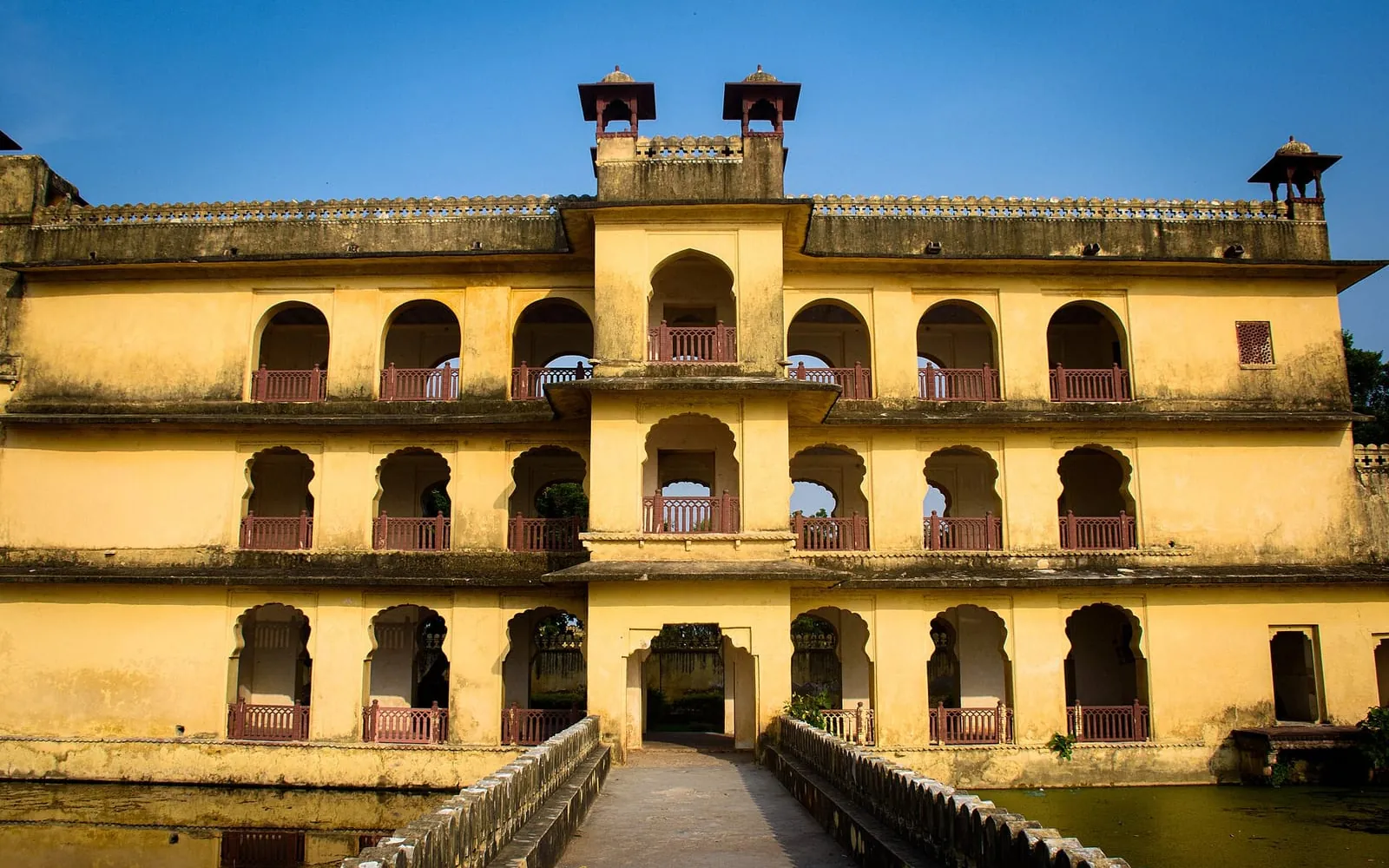
Kota has budget lodges near the station, mid-range hotels across the city and a few heritage-style stays. A few weather-related tips:
- In summer, choose a room with reliable air conditioning, ideally not on the top floor under a concrete roof.
- In the monsoon, avoid low-lying riverside areas if heavy rain and barrage releases are forecast; see Kota Barrage flood season.
- In winter and at Dussehra, book early; rooms get scarce.
Health and safety notes
- Carry water every day from March to October.
- Watch for signs of heat exhaustion in summer; see Kota heatwave.
- In the monsoon, use mosquito repellent.
- At gorge viewpoints and on the river, stay behind railings and follow guides’ instructions, especially when rocks are wet.
Plan the timing
The comfortable months for travel are October to March. Our best time to visit Kota guide compares every month, what to pack for Kota covers your bag, and the Kota weather forecast guide shows where to get the official forecast before you set off.
Frequently asked questions
What is the best way to reach Kota?
By train for most people. Kota Junction is a major station on the Delhi to Mumbai main line with many long-distance trains. Road links connect Kota with Jaipur, Bundi, Ajmer, Udaipur and Madhya Pradesh.
Do trains to Kota get delayed by fog?
Trains coming from Delhi and the north are often delayed in December and January because of fog over the Indo-Gangetic plains. Check live running status on the National Train Enquiry System before heading to the station.
Does Kota have an airport?
Kota has an airport, but scheduled flights have been limited for years. Many air travellers fly to Jaipur and continue by train or road. Check current schedules with airlines before planning around a flight.
Is it safe to drive to Kota in the monsoon?
Generally yes, with care. Heavy rain can flood low stretches, underpasses and causeways and reduce visibility. Avoid driving during warned heavy-rain spells and never drive through moving water.
Sources
Editorial team, Kota
The Kota Weather team writes from Kota and builds every guide on official IMD climate data, with sources listed on each page.