Climate and seasons
Kota cloud cover by month: when skies are clear and when they are grey
Written by Kota Weather Editorial Team · Updated
Kota cloud cover follows the rhythm of the monsoon. For about eight months of the year the sky over Kota is mostly clear, often completely blue, and then from late June to September it fills with cloud, sometimes for days at a time. If you want bright light for photographs, clear nights for stargazing, or simply want to know how much sun to expect, the month you pick makes a large difference.
The figures here come from the India Meteorological Department’s (IMD) Climatological Tables 1991-2020 for Kota (station 42452). IMD observers estimate how much of the sky is covered by cloud in oktas, or eighths: 0 oktas is a cloudless sky and 8 oktas a fully overcast one. The tables give the mean cloud amount and the number of days in each cloud class at 08:30 IST and 17:30 IST. They are long-term averages, not a forecast.
Kota cloud cover by month
| Month | Mean cloud 08:30 / 17:30 | Cloudless days 08:30 / 17:30 | Overcast days 08:30 / 17:30 |
|---|---|---|---|
| January | 1.7 / 1.6 oktas | 20 / 18 | 2 / 1 |
| February | 1.3 / 1.5 oktas | 19 / 17 | 0 / 0 |
| March | 1.4 / 1.8 oktas | 20 / 17 | 0 / 0 |
| April | 1.2 / 2.2 oktas | 19 / 12 | 0 / 0 |
| May | 0.9 / 2.3 oktas | 22 / 9 | 0 / 0 |
| June | 2.9 / 4.2 oktas | 11 / 3 | 2 / 3 |
| July | 5.7 / 6.2 oktas | 2 / 0 | 8 / 10 |
| August | 5.8 / 6.2 oktas | 1 / 0 | 9 / 9 |
| September | 3.2 / 4.1 oktas | 9 / 2 | 3 / 3 |
| October | 1.2 / 1.6 oktas | 21 / 15 | 1 / 1 |
| November | 1.1 / 1.4 oktas | 21 / 18 | 1 / 1 |
| December | 1.4 / 1.5 oktas | 21 / 18 | 1 / 1 |
| Year | 2.3 / 2.9 oktas | 186 / 131 | 27 / 28 |
“Cloudless” means 0 oktas at the observation hour; “overcast” means 8 oktas. Days that fall in between have some cloud.
October to March: reliably clear
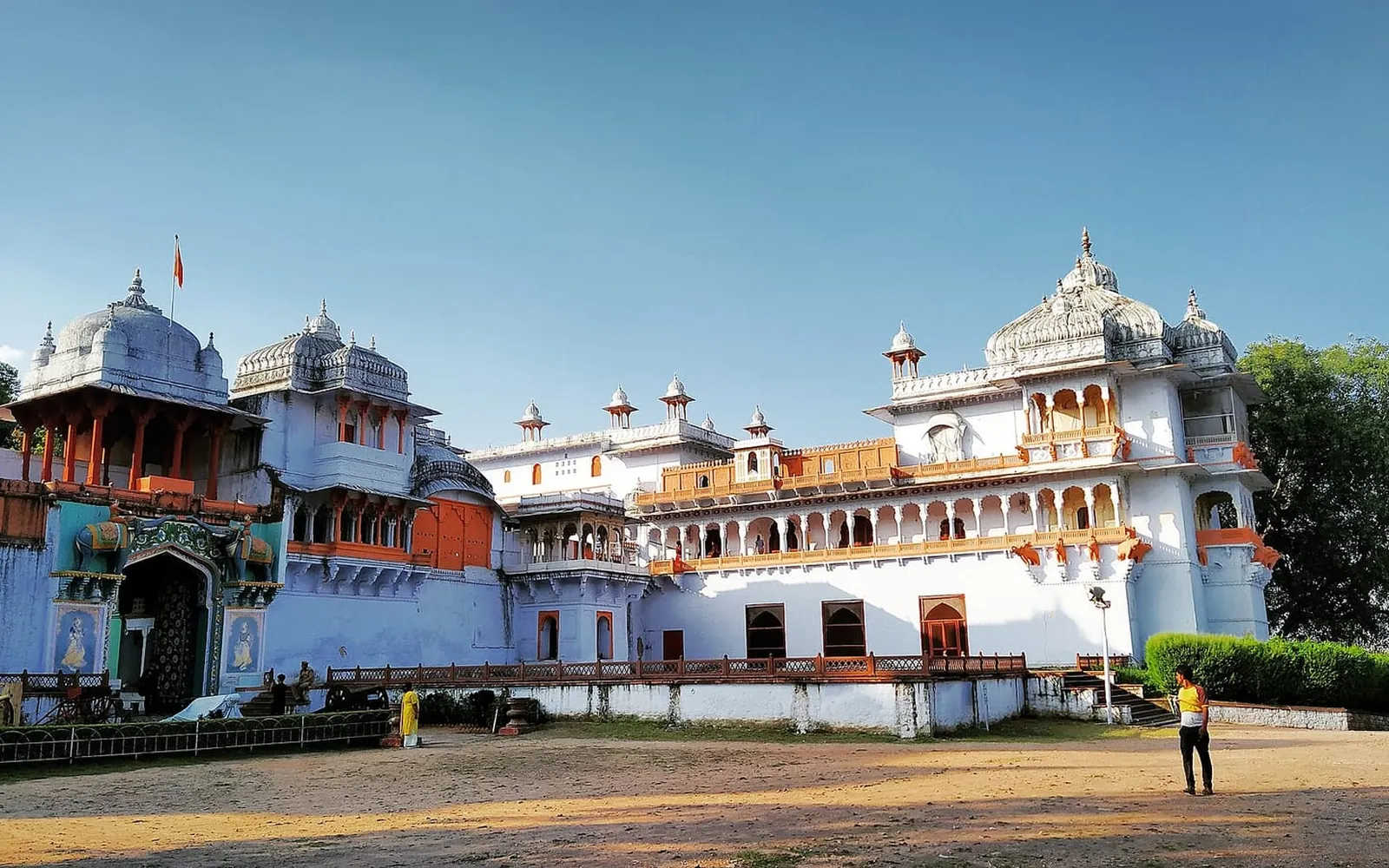
After the monsoon withdraws, Kota’s skies clear quickly. From October to March, mean cloud stays between about 1 and 2 oktas, and around two-thirds of mornings are completely cloudless. Afternoons are almost as clear. This is the season of the deep blue skies you see in photographs of Kota’s palaces and the riverfront.
Clear does not always mean crisp. On calm winter mornings, mist, smoke and dust gather near the ground, so a cloudless sky can still look milky until mid-morning. The occasional western disturbance brings a day or two of high cloud and sometimes light rain, which is why January has a couple of overcast mornings on average. See Kota fog and Kota winter weather.
April and May: clear mornings, hazy afternoons
May has the clearest mornings of the year, with 22 cloudless mornings and only 0.9 oktas of cloud on average. By 17:30, though, cloud builds to 2.3 oktas and cloudless evenings fall to 9. Strong heating raises convective cloud in the afternoons, and pre-monsoon dust adds haze. Dust storms are most common from April to June; see Kota dust storm. The sun is intense, so expect strong light and little shade from cloud.
June to September: the monsoon sky
June is the transition. Early June is still mostly clear, while late June brings the first monsoon cloud. In July and August, mean cloud reaches about 6 oktas, there are hardly any cloudless days, and the sky is fully overcast on 8 to 10 days a month. Low cloud is common, and cloudy spells can last several days when a monsoon system passes over central India. September is mixed: cloudy at first, clearing as the monsoon withdraws. Read Kota monsoon and our month guides for July and August.
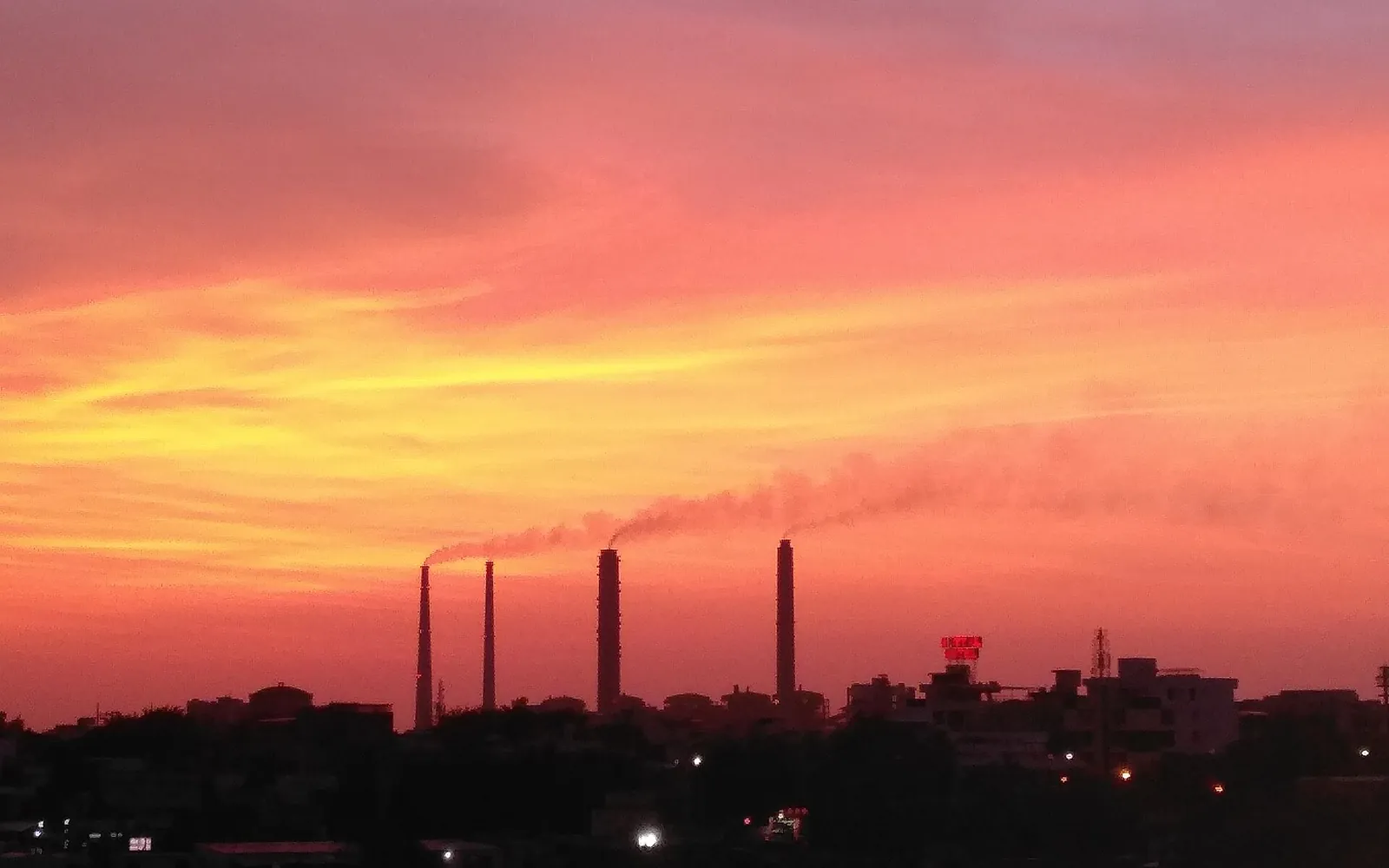
Monsoon cloud is not all bad news. Breaks between showers give dramatic skies, green landscapes and some of the most striking sunsets of the year over the Chambal.
Best months for photography and stargazing
- Blue-sky daytime photography: October to March, ideally from late morning when the haze has lifted.
- Sunrise and sunset colour: post-monsoon October and the monsoon breaks of September, when scattered cloud catches the light.
- Stargazing: November to February on moonless nights. The sky is usually clear and the air cool and steady, but city lights, smoke and dust limit what you can see in Kota itself. A spot away from the city helps.
- Moody monsoon scenes: July and August, with heavy cloud over the river and gorges, as at Garadia Mahadev.
For the hour-by-hour pattern, see Kota weather by time of day.
Cloud cover and temperature
Cloud has a strong effect on how Kota’s days and nights feel. Clear winter skies let heat escape at night, which is why January mornings can be cool even when afternoons are warm. In the monsoon, thick cloud cuts the sunshine, so July and August maximums are about 8 to 10 degrees lower than in May, but humidity keeps the air heavy. Our Kota temperature guide and Kota weather by month give the full temperature picture.
Kota’s skies compared with other cities
Kota is one of the clearest places among the cities we compare. IMD’s 1991-2020 tables give it about 186 mornings a year with no cloud at 08:30 IST. That compares with about 165 at New Delhi (Safdarjung), 157 at Patna, 152 at Bhopal, 151 at Lucknow, 150 at Ahmedabad, 145 at Jodhpur and Indore, 122 at Mumbai (Santacruz) and 76 at Hyderabad. Overcast mornings (8 oktas) are fairly rare everywhere: about 27 a year at Kota, 31 at Delhi and Hyderabad, 35 at Mumbai and 42 at Bhopal.
Clear skies have a cost as well as a benefit. They give Kota its bright winter days and good stargazing, but they also let the sun heat the ground hard in April and May and let heat escape on winter nights, which is why Kota’s seasons are so pronounced. See Kota vs Mumbai weather and Kota vs Hyderabad weather for two cities with much cloudier years.
Sunrise, sunset and the light
On clear days the light changes fast around sunrise and sunset. In Kota the sun rises after 7 am in January and around 5:36 am in June, and sets between about 5:36 pm in late November and 7:21 pm in early July. Our Kota sunrise and sunset times page has a half-monthly table with first and last light for planning photos.
Checking the sky on the day
Normals tell you what to expect in a typical year, not on a particular day. A western disturbance in winter or an early monsoon surge can change the sky within hours. Before a photo trip or a night out under the stars, check IMD’s satellite imagery and forecast on the IMD website or the Mausam app, and the current conditions on Kota weather today.
Frequently asked questions
How many sunny days does Kota get?
IMD does not publish a sunny-days count, but its tables for Kota record a completely clear sky (0 oktas) at 08:30 IST on about 186 days a year and at 17:30 IST on about 131 days. Many other days have only a little cloud.
Which month has the clearest sky in Kota?
May has the most cloudless mornings (22 on average) and the lowest morning cloud (0.9 oktas), but afternoons build some cloud and dust haze. October to January are the most reliably clear at both observation times.
Which month is the cloudiest in Kota?
July and August. Mean cloud is 5.7 to 6.2 oktas, and IMD records a fully overcast sky on about 8 to 10 days in each month.
When is the best time for stargazing near Kota?
Roughly November to February, on moonless nights away from city lights. Skies are usually clear, and the air is cool and calm, though haze, smoke and occasional fog can reduce how many stars you see.
Does Kota have clearer skies than other Indian cities?
Among the cities we compare, yes. IMD's 1991-2020 tables give Kota about 186 cloudless mornings a year at 08:30 IST, against about 165 at New Delhi, 150 at Ahmedabad, 145 at Jodhpur, 122 at Mumbai (Santacruz) and 76 at Hyderabad.
Sources
Editorial team, Kota
The Kota Weather team writes from Kota and builds every guide on official IMD climate data, with sources listed on each page.