Travel by weather
Kota tourist season: festivals, crowds and weather
Written by Kota Weather Editorial Team · Updated
The Kota tourist season runs from October to March, when the weather is comfortable and the city’s biggest celebrations take place. But “best” depends on what you are after: a festival, quiet sightseeing, green monsoon landscapes or the lowest hotel demand. This guide lines up the weather, the festivals and the crowds month by month so you can choose your dates with your eyes open. For the pure weather picture, see best time to visit Kota.
The big one: the Kota Dussehra Mela
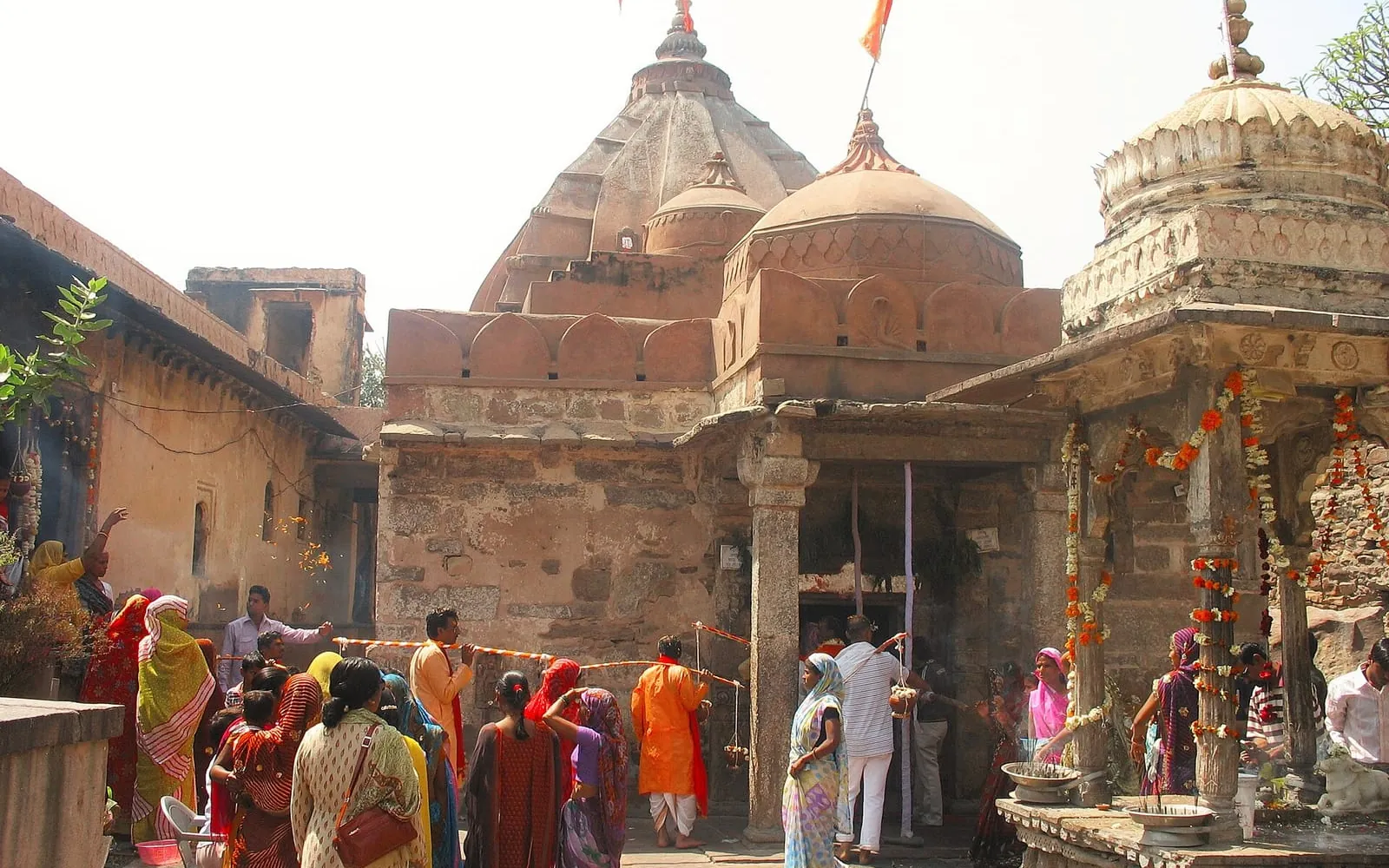
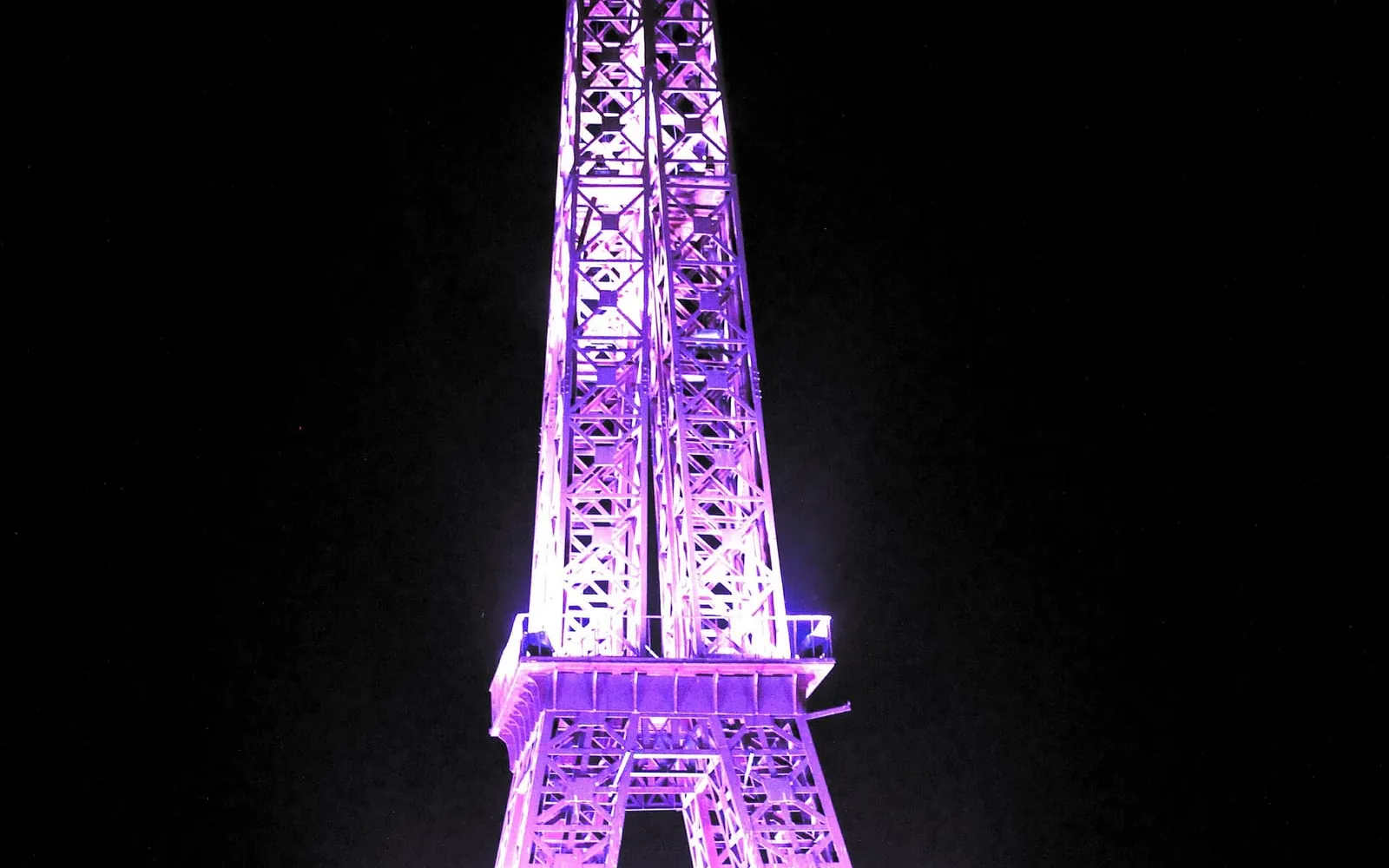
The Rashtriya Dussehra Mela is Kota’s signature event and one of the best-known Dussehra fairs in India: towering effigies, a sprawling fairground, a nightly Ramlila, cultural programmes, food stalls and crowds that take over the city around Vijayadashami. Its dates follow the Hindu calendar, so they move each year.
In 2026 the 133rd mela runs from 11 October to 5 November, with Ravan Dahan on Tuesday 20 October. Weather in that window is warm and dry by day and pleasant at night; our Dussehra Mela 2026 weather guide covers each key evening.
Practical points:
- Hotels in Kota fill up around Ravan Dahan; book early.
- Roads around the fairground get congested in the evenings, especially on weekends and dahan night.
- Confirm programme timings with the organiser, Kota Nagar Nigam, as they can change.
Season by season for visitors
October to March: peak season
The best weather of the year, festivals (Dussehra, Diwali, then the winter wedding season) and every sight open and pleasant. The downside is more visitors at popular spots on weekends and busier hotels on festival dates. Winter mornings are cool and occasionally foggy; see Kota winter weather.
Festivals that often fall in this period include Dussehra and Diwali (October or November), Makar Sankranti in mid-January, when kite flying is popular across Rajasthan, and Holi, usually in March. Exact dates change each year.
July to September: monsoon, green and uncrowded
Fewer tourists, a landscape that is lush and photogenic, and waterfalls in the gorges near Kota running after good rain. Some boat trips pause at high water and outdoor plans need flexibility, but the light and the greenery reward patient travellers. Festivals in this period include Teej, celebrated across Rajasthan in the monsoon, and Janmashtami, which is a major occasion at Kota’s Krishna temples. See Kota monsoon.
April to June: summer, for the heat-tolerant
Hot and quiet. If you can manage dawn-and-dusk sightseeing with a long midday rest, you will have the palaces almost to yourself. It is not ideal for families with small children or elderly travellers. Read Kota heatwave before you go.
Wildlife and the river
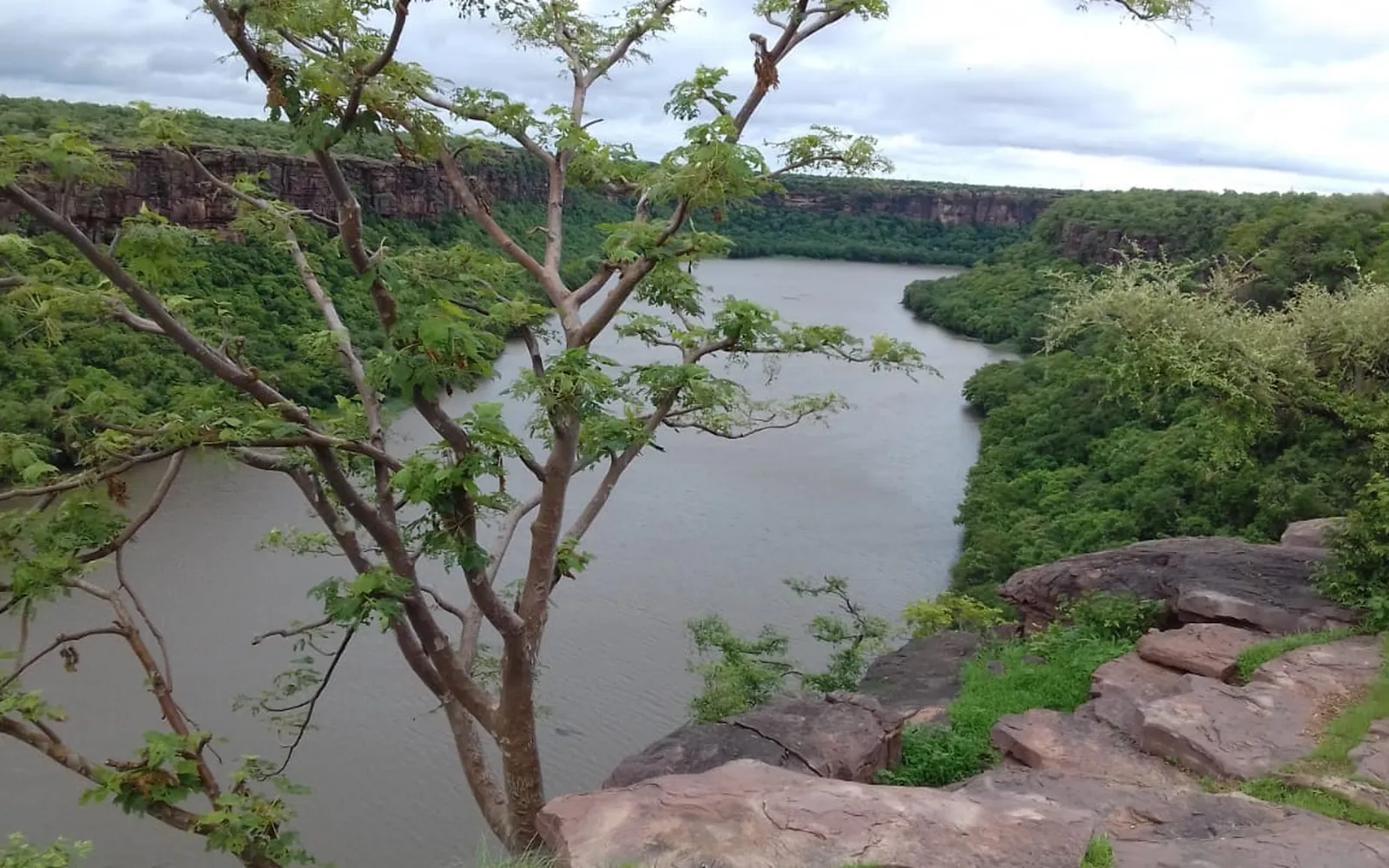
The Chambal around Kota is known for crocodiles, gharials and rich birdlife, and boat trips are one of the most popular things to do. Operators generally run outside the monsoon’s high-water period. Winter mornings are the best time for birdwatching and for seeing crocodiles basking on the banks in the sun. In summer, early morning trips avoid the worst of the heat. Always check current timings and whether trips are running before you set out; they depend on river levels and permissions.
Winter festivals and the weather
After the Dussehra Mela, the main festivals of the cool season fall in comfortable weather:
- Diwali falls in October or November, depending on the lunar calendar. Evenings are dry and pleasant, but fireworks and still air can make the air hazy for a day or two; check the Kota air quality guide if you are sensitive to smoke.
- Christmas and New Year fall in the coolest stretch. Days are sunny and mild, but mornings and late evenings are cold, and fog can delay trains from north India. See Kota weather in December.
- Makar Sankranti in mid-January is kite-flying day across Rajasthan. It falls in the coldest month, usually dry and sunny, with the best flying from late morning once any mist has lifted. See Kota weather in January.
- Holi usually falls in March, when afternoons are already warming towards 33 C. Play in the morning and drink plenty of water.
Festival dates move each year, so confirm them against an official holiday calendar before booking.
Weddings and festival evenings
The cool, dry months that suit sightseeing also host most of the region’s weddings and many evening festivals. IMD’s 1991-2020 normals for Kota Airport show October to February with under 20 mm of rain a month and mean minimums falling from 22.3 C in October to 11.2 C in January. For evening events that means comfortable outdoor nights in October and early November, and cold ones in December and January that need heaters or covered venues. See Kota weather in October and Kota wedding season weather.
Avoiding the crowds
Even in peak season, Kota rarely feels overrun. A few simple habits help:
- Visit popular sights such as Seven Wonders Park and the riverfront on weekday mornings or early evenings.
- Start a Garadia Mahadev trip at sunrise for the best light and the fewest people.
- Avoid travelling into Kota on the evening of Ravan Dahan unless you are going to the fair.
- In the monsoon, weekends after heavy rain can bring local crowds to the barrage and waterfalls.
Students, parents and coaching calendars
Kota’s year is also shaped by its coaching institutes. Parents visiting students often come around admission periods, holidays and exam breaks, which can make trains and hotels busier on certain dates. If you are visiting a student, ask about the institute’s schedule as well as the weather, and avoid the hottest weeks of May if you can.
Festival season beyond Kota
Kota’s festival months, October to March, are also the busy season across Rajasthan and north India, and the weather is similar enough to plan a combined trip. IMD’s 1991-2020 normals give Ajmer October and November afternoons of 34.5 C and 30.2 C against 34.6 C and 30.1 C at Kota, so a visit timed for the Pushkar fair near Ajmer feels much like Dussehra and Diwali in Kota, with slightly cooler nights.
Further north and east the picture changes. Agra and Gwalior are as warm as Kota by day in October and November but colder at night, and both get foggy mornings in December and January. Kolkata is still wet in October, with about 180 mm of rain against about 19 mm at Kota, which matters for families from Bengal who travel to Kota during the festival break. See Kota vs Ajmer weather, Kota vs Agra weather and Kota vs Kolkata weather.
Planning checklist
- Choose a season from the month-by-month guide.
- Check festival dates for your year; they follow the lunar calendar.
- Book hotels early for Dussehra and winter weekends.
- Check the Kota weather forecast in the week before you go.
- Pack using what to pack for Kota, and plan your days with Kota itinerary by weather.
Frequently asked questions
When is the tourist season in Kota?
October to March. The weather is dry and comfortable, the Dussehra Mela and Diwali fall early in the season, and winter brings clear days for sightseeing.
When is the Kota Dussehra Mela in 2026?
From 11 October to 5 November 2026, with Ravan Dahan on Tuesday 20 October. Confirm programme timings with Kota Nagar Nigam, the organiser.
When is the off season in Kota?
April to June, because of the heat, and to a lesser extent the monsoon months of July to September. Both are quieter, with easier hotel availability.
When does the Chambal boat safari run?
Boat trips on the Chambal generally run outside the high-water period of the monsoon, with winter mornings the most popular. Timings and closures depend on river levels and operator permissions, so check locally before you go.
Is Kota crowded with tourists?
Rarely, compared with Jaipur or Udaipur. Weekends and the Dussehra Mela are the busiest times. Weekday mornings are quiet even in peak season.
Sources
Editorial team, Kota
The Kota Weather team writes from Kota and builds every guide on official IMD climate data, with sources listed on each page.