Forecast and warnings
Kota weather warnings: how to find and read IMD alerts
Written by Kota Weather Editorial Team · Updated
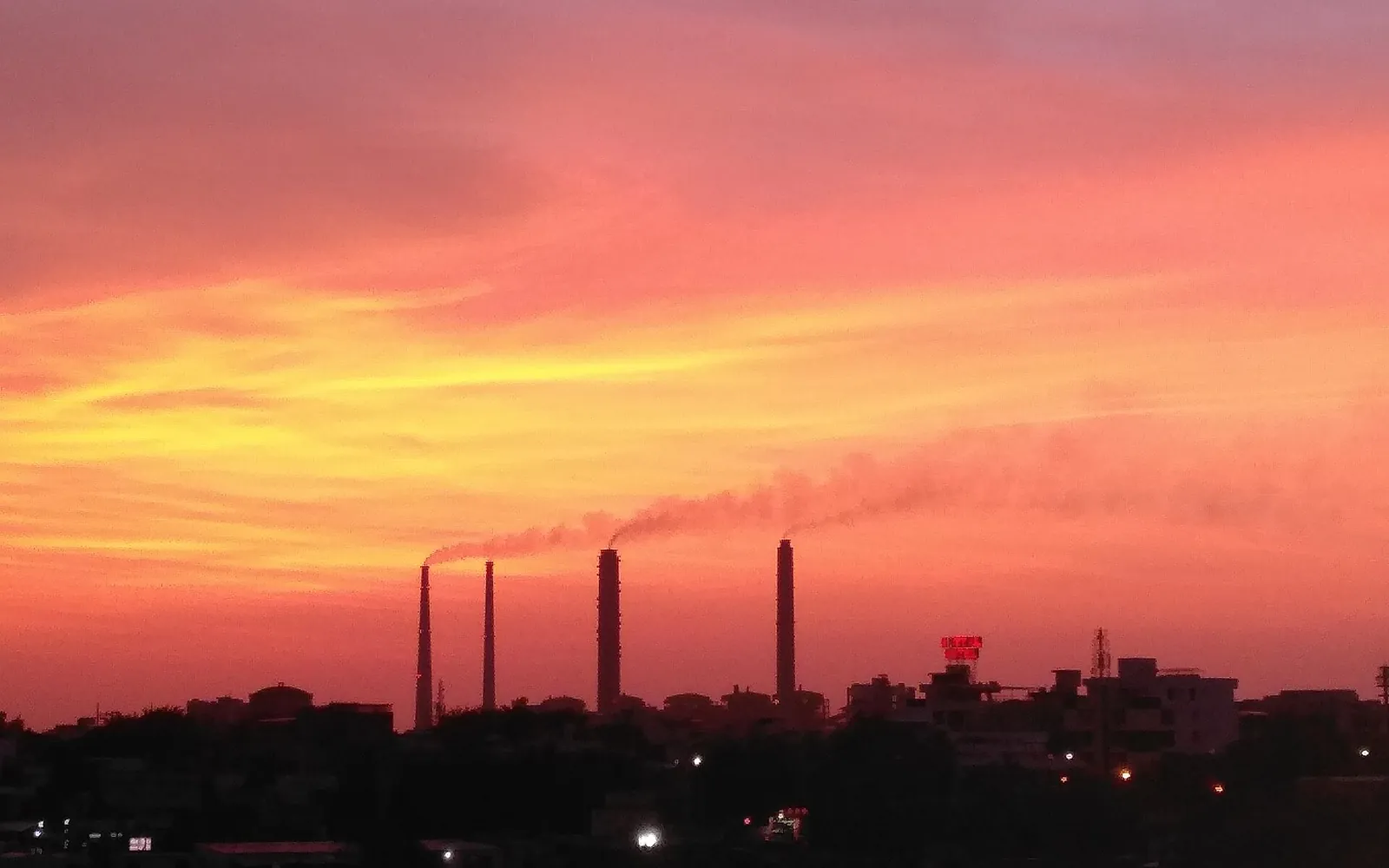
Kota weather warnings matter more than in many Indian cities, because Kota sits at the meeting point of two serious hazards: some of the fiercest summer heat in the country and a monsoon river system, the Chambal, that can flood when the dams upstream are full. This guide explains where official warnings for Kota district are published, what each colour means, and which warnings to expect at which time of year.
One thing first. Weather warnings that you should act on come from the India Meteorological Department (IMD) and the district administration, not from apps that repackage model data, and not from this website. Our old site showed automatic “advisories”; we have retired them in favour of pointing you to the official source.
Where official warnings are published
- IMD website (mausam.imd.gov.in): national and district warning maps for the next five days, plus nowcasts for thunderstorms over the next few hours.
- Meteorological Centre Jaipur: IMD’s regional office for Rajasthan. It publishes district-wise warnings for all of Rajasthan’s districts, including Kota, and press releases during major heat or rain events.
- Mausam app: the same warnings on your phone, with location-based alerts.
- Sachet (NDMA): India’s common alerting system pushes official alerts, including IMD warnings, by area.
- Kota district administration: decisions such as school closures, dam-release warnings and evacuation instructions come from the Collector’s office and are shared through local media.
IMD colour codes explained
IMD’s district warnings use four colours. They describe how much action you should take, not just how bad the weather will be.
| Colour | Meaning | What to do in Kota |
|---|---|---|
| Green | No warning | Normal routine |
| Yellow | Be aware | Weather may cause some inconvenience. Check updates before going out |
| Orange | Be prepared | Severe weather likely, disruption possible. Change plans, avoid unnecessary travel at the worst times |
| Red | Take action | Extremely severe weather. Follow official instructions, stay indoors or move to safety if told |
Warnings are issued for each day of the coming five-day period, so a district can be yellow today and orange the day after tomorrow. Read the day, not just the colour.
Kota’s warning calendar
Heatwave and severe heatwave (April to June)
This is Kota’s most frequent warning. IMD declares a heatwave in the plains when the maximum temperature is at least 40 C and 4.5 to 6.4 C above normal, or when it reaches 45 C regardless of the normal. A severe heatwave is a departure of more than 6.4 C or an actual maximum of 47 C or more. With a May normal of 42.6 C, Kota reaches these thresholds in most summers. Warm nights, when the minimum stays unusually high, add to the strain. Our Kota heatwave guide covers what to do on those days.
Thunderstorms, squalls and dust storms (May and June)
Before the monsoon arrives, hot afternoons often break down into evening storms. These can bring sudden strong winds, dust, lightning, hail in some cases, and short power cuts. IMD issues thunderstorm warnings and short-term nowcasts for these. If a dust storm is warned, close windows, secure loose items on rooftops and avoid parking under trees or hoardings.
Heavy rain and lightning (late June to September)
Monsoon warnings for Kota usually concern heavy to very heavy rain, sometimes extremely heavy rain, over one to three days. Expect waterlogging in low-lying roads and underpasses. Lightning is a real risk in open areas; IMD’s Damini app shows lightning activity nearby. See Kota monsoon for the season’s pattern.
River flooding and dam releases (August and September)
When heavy rain falls over the Chambal catchment, including in Madhya Pradesh, the dams upstream fill and water is released through Kota Barrage. Riverside localities can then be at risk. This is managed by the Water Resources Department and the district administration, and their announcements matter more than any rainfall forecast for the city itself. Our Kota Barrage and Chambal flood season guide explains the system.
Cold wave and dense fog (December and January)
IMD declares a cold wave when the minimum temperature is 10 C or below and 4.5 to 6.4 C below normal, or when it falls to 4 C or below. Kota sees cold spells in some winters, often with dense morning fog that slows road traffic and delays trains. See Kota winter weather.
How often each hazard occurs at Kota Airport
IMD’s Climatological Tables 1991-2020 for Kota Airport give a sense of how common each kind of event is at one observing site in an average year:
| Event | Days a year | Main months |
|---|---|---|
| Thunder | 21.7 | June to September |
| Dust storm | 3.0 | April to June |
| Fog | 2.9 | December and January |
| Morning visibility under 1 km | 8.3 | December and January |
| Hail | 0.4 | March, June, July |
These are counts at the airport, not district-wide totals, and they say nothing about severity. They are a reminder that some hazards, such as thunder, come every year, while others, such as hail, are rare but still possible. See Kota thunderstorms and Kota fog.
Detailed guides for each hazard
Each warning type has its own guide on this site: Kota heatwave for heat, Kota dust storm for pre-monsoon storms, Kota lightning safety for thunderstorms, IMD rainfall categories for what heavy, very heavy and extremely heavy rain mean in millimetres, Kota Barrage flood season for river releases, and Kota winter weather for cold waves and fog.
What to do when a warning is issued
- Read the full warning text, not just the colour: it states the hazard, the day and sometimes the time window.
- Check again in the evening and the next morning. Warnings are updated at least daily, and nowcasts every few hours during storms.
- For heat: shift outdoor work and travel to early morning or evening, carry water, and check on elderly neighbours and anyone living alone.
- For rain and flooding: avoid underpasses and riverbanks, do not drive through moving water, and follow any instructions about the barrage.
- For storms: stay indoors during the squall, keep away from trees and hoardings, and unplug sensitive electronics if lightning is close.
Students and coaching schedules
Kota has a very large student population, many living away from home for the first time. In summer, heat is the main concern: classes and hostels keep their own timings, but walking between them in the early afternoon in May is when people get into trouble. Keep a water bottle, eat properly and do not skip meals on hot days. In the monsoon, check the route between hostel and institute for waterlogging after heavy rain.
Related guides
- Kota weather forecast: where to get the official forecast
- Kota weather today
- Kota weather by month
Frequently asked questions
Where can I see weather warnings for Kota district?
On the IMD website (mausam.imd.gov.in) and the Meteorological Centre Jaipur pages, which publish district-wise warnings for Rajasthan for the next five days. The Mausam app and NDMA's Sachet alerts also carry them.
What does an orange alert in Kota mean?
Be prepared. IMD issues orange when severe weather is expected that could disrupt daily life, such as very heavy rain or a severe heatwave. Plan ahead, avoid unnecessary travel in the affected period and keep an eye on updates.
What is the difference between a yellow and a red alert?
Yellow means be aware: weather could be bad enough to cause some inconvenience. Red means take action: extremely severe weather is expected and there is a risk to life and property. Follow the district administration's instructions.
Does this site issue its own weather alerts?
No. The old version of this site generated automatic advisories from model data. They were not official, so we removed them. Only IMD and the district administration issue warnings you should act on.
Who announces Kota Barrage gate openings?
The state Water Resources Department and the Kota district administration. Openings are announced through local news, loudspeakers in riverside areas and official social media, together with warnings to stay away from the river.
Sources
- IMD Data Service Portal: Climatological Tables 1991-2020 (station Kota, 42452)
- India Meteorological Department: warnings
- IMD Meteorological Centre Jaipur
- IMD Met Monograph: Heat and Cold Waves in India (heatwave criteria)
- NDMA: Heat Wave
- NDMA Sachet: common alerting protocol
- National Disaster Management Authority
Editorial team, Kota
The Kota Weather team writes from Kota and builds every guide on official IMD climate data, with sources listed on each page.